Home › Blog › Best Foods for Male Vitality & Testosterone
Diet & LifestyleBest Foods for Male Vitality & Testosterone: A Daily Eating Guide
| The idea | The best foods for male vitality and testosterone work as a pattern, not a single miracle food. |
| Build meals from | Leafy greens, beets, zinc-rich seafood and lean meat, eggs, fatty fish, nuts, seeds and colourful produce. |
| Key nutrients | Zinc, magnesium, vitamin D, protein, healthy fats and dietary nitrates. |
| Ease back on | Ultra-processed food, constant sugar, refined carbs and excess alcohol. Individual results vary. |

You cannot out-supplement a poor diet — and you do not need to. The systems that male vitality depends on (hormones, circulation and steady energy) are all fed, quite literally, by what is on your plate. The good news is that the best foods for male vitality and testosterone are ordinary, affordable and satisfying. There is no exotic superfood you must chase. Instead, it is the overall pattern — nutrient-dense, colourful, built around whole foods — that does the heavy lifting. This guide breaks down the food groups that matter most, the key nutrients behind them, and a simple daily eating pattern you can actually keep.
How food supports male vitality
Three things determine how vital you feel day to day, and diet touches all three. First, hormones: nutrients like zinc, magnesium, vitamin D and dietary fat are raw materials and cofactors your body uses to support healthy testosterone activity. Second, circulation: healthy blood flow relies partly on nitric oxide, which the body can make from the dietary nitrates in beets and leafy greens. Third, energy: stable blood sugar from whole foods keeps you off the sugar-crash rollercoaster that flattens drive by mid-afternoon. Eat in a way that serves all three and the improvements tend to reinforce one another — the same logic we describe in how to boost male vitality and energy naturally.
The best foods for male vitality and testosterone
1. Leafy greens and beets (circulation)
Spinach, rocket, kale, Swiss chard and beets are among the richest dietary sources of nitrates, which the body converts along the nitric-oxide pathway to help blood vessels relax and widen. Greens also deliver magnesium, a mineral involved in hundreds of bodily processes including those tied to healthy testosterone. A daily serving of greens plus regular beets is one of the simplest circulation upgrades there is.
2. Zinc-rich seafood and lean meat
Zinc is one of the most important minerals for male hormone health, and shellfish — oysters especially — are famously rich in it. Lean red meat, poultry, crab and lobster are strong sources too. Since the body does not store zinc well, getting it regularly from food matters.
3. Eggs and dairy (protein, vitamin D, cholesterol building blocks)
Whole eggs supply high-quality protein, vitamin D and the dietary cholesterol the body uses as a raw material for hormone production. Yoghurt, milk and cheese add protein, calcium and, when fortified, extra vitamin D.
4. Fatty fish (omega-3s and vitamin D)
Salmon, mackerel, sardines and trout deliver omega-3 fatty acids that support cardiovascular health and the circulation vitality depends on, plus vitamin D — a nutrient many men fall short on, and one linked to healthy testosterone. Aim for two portions a week.
5. Nuts and seeds (magnesium and healthy fats)
Almonds, walnuts, pumpkin seeds and Brazil nuts pack magnesium, zinc, selenium and heart-healthy fats into a convenient snack. A small daily handful is an easy win — just keep portions sensible, since they are calorie-dense.
6. Colourful fruit and vegetables (antioxidants)
Berries, citrus, tomatoes, peppers and other colourful produce supply antioxidants and polyphenols that help the body manage everyday oxidative stress and support healthy blood vessels. Variety of colour is the easy rule of thumb — the wider the range, the broader the nutrient coverage.
7. Whole grains and legumes (steady energy)
Oats, brown rice, quinoa, beans and lentils provide slow-release carbohydrate and fibre that keep energy steady and blood sugar stable. Swapping refined carbs for these is one of the most reliable ways to flatten the afternoon crash.
8. Olive oil and avocado (monounsaturated fats)
Healthy monounsaturated fats support hormone production and cardiovascular health. Extra-virgin olive oil and avocado are easy, versatile staples to build meals around.
See the JellyBlue Daily Vitality Formula →
The key nutrients behind them
- Zinc — central to male reproductive health; found in oysters, red meat, poultry, seeds.
- Magnesium — involved in energy production and healthy testosterone activity; found in greens, nuts, whole grains.
- Vitamin D — behaves like a hormone and is linked to testosterone; found in fatty fish, eggs, fortified foods and sunlight.
- Protein — supports muscle and satiety; found across meat, fish, eggs, dairy and legumes.
- Healthy fats — raw materials for hormone production; found in olive oil, avocado, nuts and fatty fish.
- Dietary nitrates — support the nitric-oxide pathway behind circulation; found in beets and leafy greens.
Foods to ease back on
You do not need a perfect diet, and no single food is off-limits. But a few patterns work against vitality when they dominate the plate: ultra-processed foods, constant added sugar, heavily refined carbohydrates and excess alcohol are all associated with poorer metabolic and hormone health over time. The goal is simply to make whole foods the default and treats the exception — frequency matters more than any one meal. If low drive is a concern, our guide to what causes low libido in men puts diet in the wider context.
A simple daily eating pattern
Here is one easy template you can adapt:
- Breakfast: eggs with spinach and whole-grain toast, or Greek yoghurt with berries, nuts and seeds.
- Lunch: a big salad or grain bowl with leafy greens, beets, a lean protein, olive oil and avocado.
- Dinner: fatty fish or lean meat, a pile of colourful vegetables, and a slow-release carb like quinoa or sweet potato.
- Snacks: a small handful of nuts, fruit, or plain yoghurt.
- Drinks: mostly water; keep alcohol moderate.
Where a daily formula fits alongside food
A whole-food diet is the foundation — but some traditional vitality botanicals are simply hard to get from the grocery aisle. Ingredients like tongkat ali, maca and ashwagandha have long histories of use for male vitality, and pairing them with a food source of dietary nitrate (the same beet root and L-arginine pathway your greens support) is a sensible way to round out a routine.
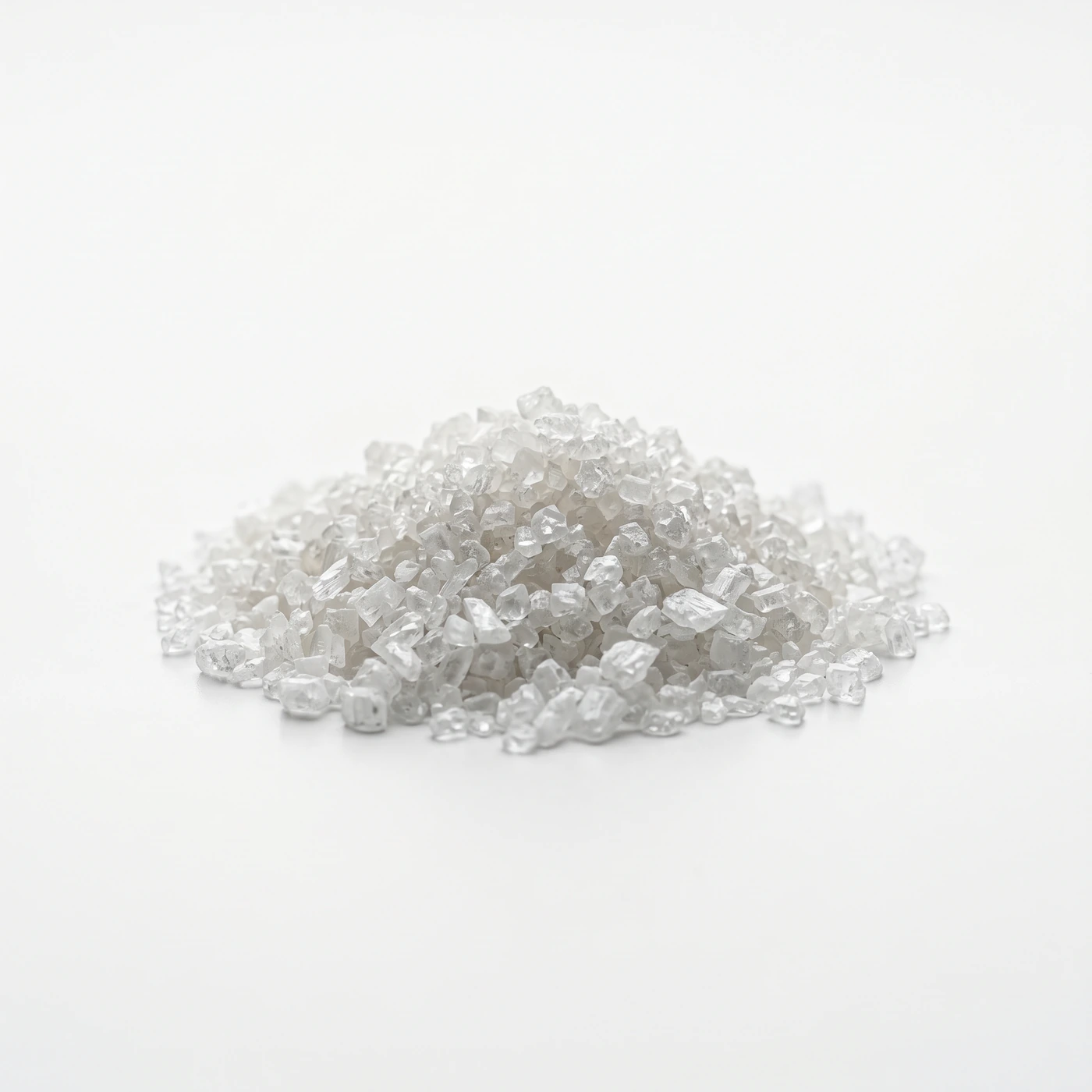
JellyBlue puts seven of these actives — tongkat ali, maca, ashwagandha, horny goat weed, L-arginine, beet root and grape seed — into one blue-raspberry gummy a day, with doses printed on the label. It supports a good diet; it does not replace one.
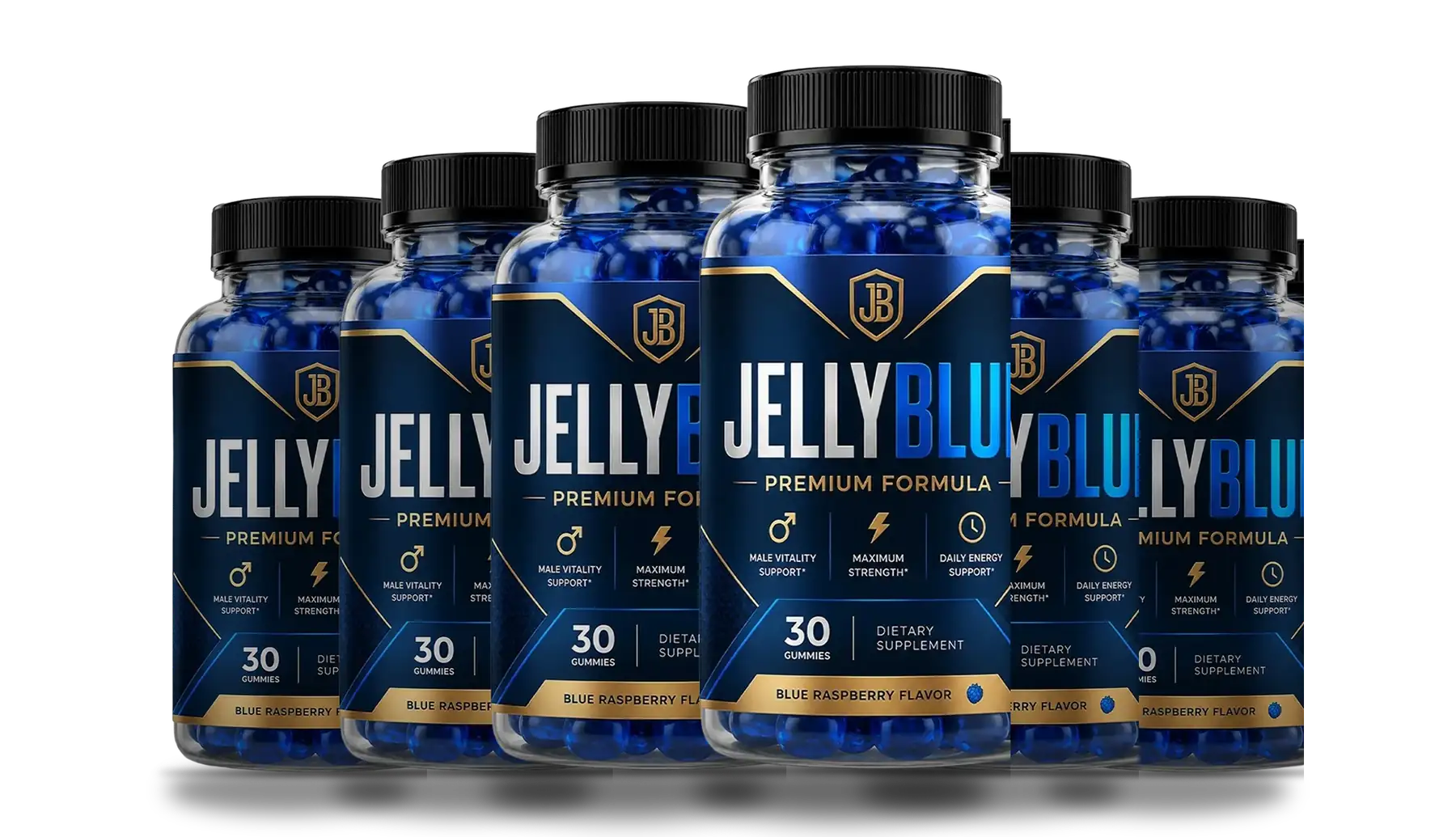
See JellyBlue Multi-Bottle Packages →
Fuel your vitality, then top it off
Eat for energy and circulation, and let JellyBlue add seven vitality actives in one daily gummy — backed by a 60-day money-back guarantee.
See JellyBlue PackagesFrequently asked questions
What foods are best for male vitality and testosterone?
Focus on a nutrient-dense, colourful pattern: leafy greens and beets for circulation, zinc-rich seafood and lean meat, eggs and dairy, fatty fish for omega-3s, nuts and seeds for magnesium and healthy fats, and plenty of vegetables and fruit. No single food is magic; the overall pattern is what supports energy, libido and hormone health.
Which nutrients matter most for men’s hormone health?
Zinc, magnesium and vitamin D are among the most studied nutrients for male hormone health, alongside adequate protein and healthy fats. Dietary nitrates from beets and greens support the nitric-oxide pathway behind healthy circulation. A varied whole-food diet usually covers these better than any single supplement.
Are there foods that lower male vitality?
Diets very high in ultra-processed foods, added sugar, refined carbohydrates and excess alcohol are associated with poorer metabolic and hormone health over time. You do not need to eliminate anything perfectly; reducing how often these appear and building meals around whole foods is what matters.
Can diet alone fix low energy and libido?
Diet is a powerful lever but works best alongside sleep, movement and stress management. If low energy or libido persists despite a good diet and healthy habits, it is worth speaking to a doctor to rule out an underlying cause. Individual results vary.
Do I still need a supplement if I eat well?
A whole-food diet is the foundation. Some men use a daily formula for convenience and to add traditional vitality botanicals that are hard to get from food, such as tongkat ali and maca. A supplement supports a good diet; it does not replace one.
About the JellyBlue Research Team
The JellyBlue Research Team is an independent men’s-health content group that reviews traditional-use evidence and public health guidance to produce clear, practical, non-hyped reads on male vitality. We describe ingredients in terms of their traditional and general use, cite public sources, and always encourage readers to bring persistent symptoms to a qualified healthcare professional. We do not manufacture the product and we are not a medical provider.
References
- Office of Dietary Supplements, National Institutes of Health. “Zinc — Fact Sheet for Health Professionals.” ods.od.nih.gov
- Office of Dietary Supplements, National Institutes of Health. “Magnesium — Fact Sheet for Health Professionals.” ods.od.nih.gov
- Office of Dietary Supplements, National Institutes of Health. “Vitamin D — Fact Sheet for Health Professionals.” ods.od.nih.gov
- Office of Dietary Supplements, National Institutes of Health. “Dietary Supplements for Exercise and Athletic Performance — Nitrate.” ods.od.nih.gov
- U.S. Department of Agriculture. “Dietary Guidelines for Americans.” dietaryguidelines.gov
† These statements have not been evaluated by the FDA. This product is not intended to diagnose, treat, cure or prevent any disease. This article is for general information only and is not medical advice. Individual results vary.