Home › Blog › How Smoking Affects Men’s Libido, Circulation & Testosterone
Causes & LifestyleHow Smoking Affects Men’s Libido, Circulation & Testosterone
| The topic | How smoking affects men’s libido, circulation, energy and hormones. |
| The mechanism | Tobacco damages blood vessels and slows circulation — and male drive and stamina depend on healthy blood flow. |
| What helps | Quitting is the single biggest step; circulation and energy start improving within weeks. |
| Bottom line | Few lifestyle changes do more for male vitality than becoming smoke-free. Individual results vary. |

When men list the habits that shape their vitality, smoking is often left off the list — treated as a general health risk rather than something that touches drive, stamina and energy directly. In fact, the link is remarkably direct. Understanding how smoking affects men’s libido and testosterone makes clear why tobacco is one of the most powerful negative influences on male sexual health, and why quitting is one of the most rewarding changes you can make. This guide explains the mechanism and what to expect when you stop.
The circulation connection: why smoking hits male libido hardest
To understand smoking’s effect on male vitality, start with blood flow. Healthy male sexual function depends almost entirely on strong, responsive circulation — the ability of blood vessels to relax and deliver blood where it is needed. Tobacco smoke works directly against this. Its chemicals damage the delicate lining of blood vessels, encourage them to narrow and stiffen, and reduce the oxygen the blood can carry. The result is poorer circulation throughout the body, and the areas that depend most on responsive blood flow are among the first to feel it.
This is why smoking and reduced male sexual function are so closely linked in the research. It is not a vague, distant risk — it is a mechanical, here-and-now effect on the very system male drive relies on. If you want the fuller picture of that system, our guide to how to improve blood flow and circulation for men naturally explains what healthy circulation actually requires.
Smoking, testosterone and the bigger picture
The specific link between smoking and testosterone is more complicated than the headlines suggest — studies point in different directions, and nicotine can affect hormone measurements in confusing ways. But focusing on a single hormone number misses the point. Smoking damages the entire foundation that male vitality is built on: it harms the cardiovascular system, raises inflammation, worsens sleep quality, saps stamina, and undermines the energy needed to stay active and well. A body dealing with all of that is not a body set up to thrive. The strongest, clearest message is not about one lab value — it is that becoming smoke-free supports the whole system that healthy energy, drive and hormones depend on.
How smoking drains energy and stamina
Beyond libido, smoking quietly taxes everyday vitality:
- Less oxygen: carbon monoxide from smoke competes with oxygen in the blood, so muscles and brain get less of what they need — a direct hit to stamina and clear-headedness.
- Reduced exercise capacity: smokers commonly find physical activity harder, which makes it tougher to maintain the exercise habits that support vitality.
- Poorer sleep: nicotine is a stimulant and can fragment sleep, and poor sleep weighs heavily on energy, mood and drive.
- Higher inflammation: chronic inflammation is unhelpful for nearly every system, including the ones behind healthy hormones.
See the JellyBlue Daily Vitality Formula →
Signs smoking may be affecting your vitality
Because smoking touches circulation, energy and drive at once, its effects tend to overlap:
- Reduced drive and stamina.
- Lower everyday energy and breathlessness with exertion.
- Poorer recovery from exercise.
- Restless or unrefreshing sleep.
These overlap with the wider reasons explored in what causes low libido in men, where smoking sits alongside stress, poor sleep and diet as a common, changeable factor. As always, this is a prompt to act rather than a diagnosis — persistent concerns deserve a doctor’s input.
What happens when you quit
Here is the genuinely encouraging part: the body begins to recover quickly, and it is never too late to benefit.
The first weeks
Circulation and lung function start improving within weeks of your last cigarette. Oxygen levels rise, and many men notice easier breathing and steadier energy sooner than they expected.
The first months
As circulation continues to improve, stamina and exercise capacity tend to follow, and many men report better sleep once nicotine is out of the picture. This is often when the knock-on benefits for drive and mood become noticeable.
The long term
Cardiovascular risk keeps falling for years after quitting, moving steadily back toward that of a non-smoker. The habit that was working against your vitality flips into a foundation that supports it.
Quitting is hard, and doing it with support works best — a doctor or a stop-smoking service can offer proven tools. Pairing quitting with other supportive habits, such as easing back on alcohol, compounds the benefit; see how alcohol affects testosterone and men’s libido.
Where botanicals fit
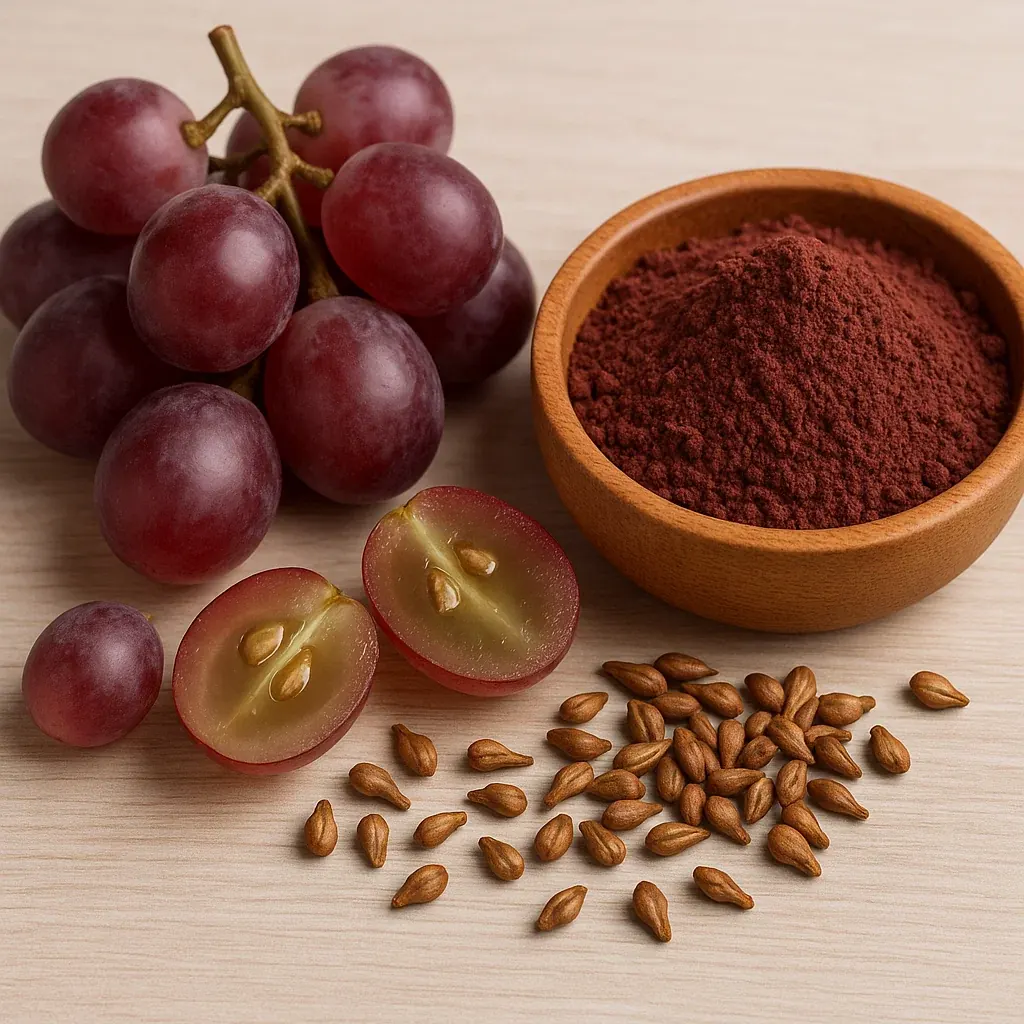
No supplement counteracts the harm of smoking, and none will help you quit — that is a job for real support and, ideally, professional help. But once you are smoke-free, some ingredients are traditionally used to support healthy circulation and male vitality, which can complement your new routine. L-arginine is an amino acid the body uses in the pathway that supports healthy blood flow; grape seed extract is a source of antioxidants traditionally linked to circulatory support; and maca and tongkat ali are traditionally associated with male energy and drive. They are daily support that sits alongside a smoke-free lifestyle, never a substitute for quitting.
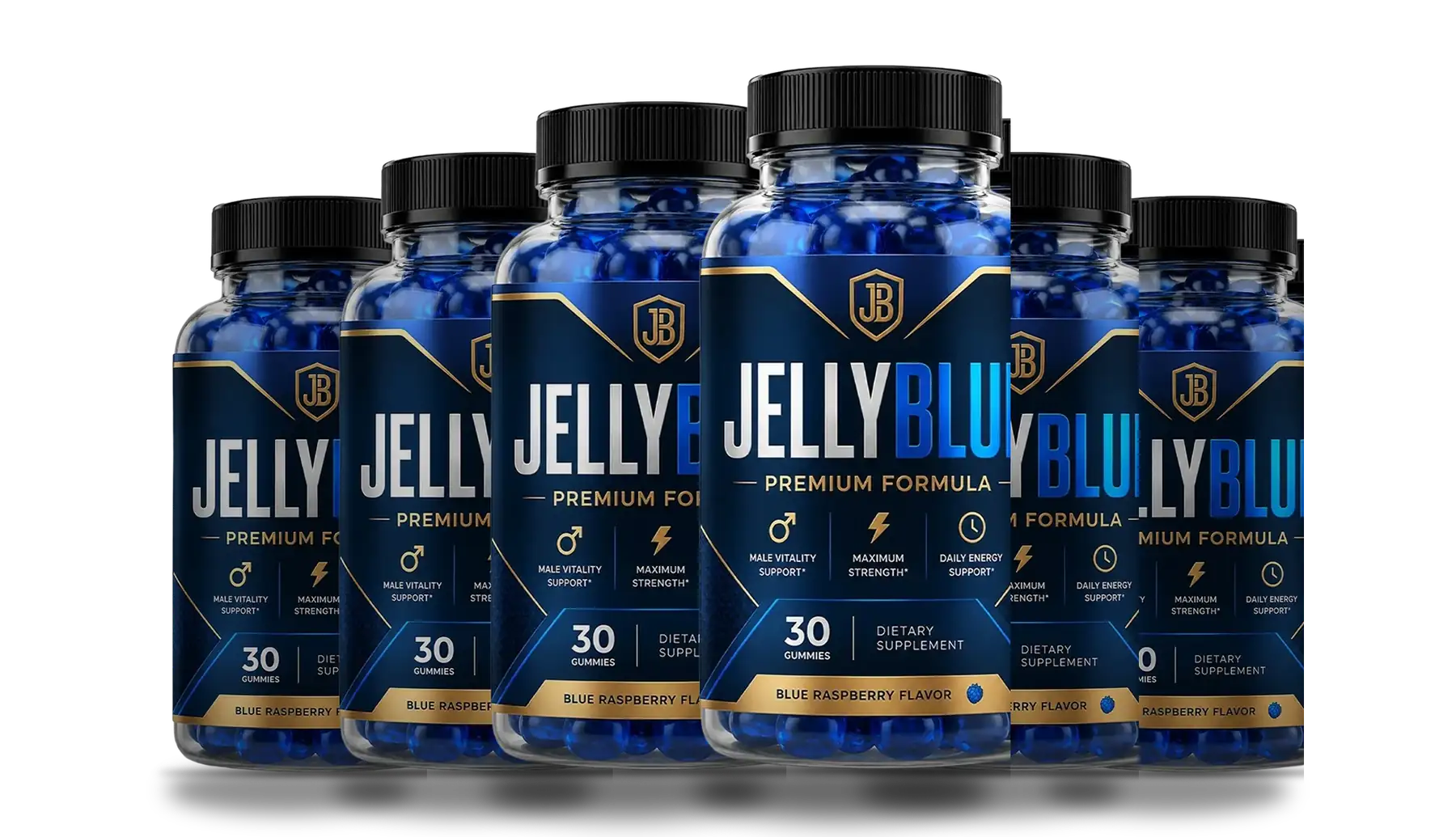
JellyBlue combines L-arginine, grape seed extract, maca and tongkat ali with more vitality actives in one blue-raspberry gummy a day, with the doses printed openly on the label — a simple daily anchor for a healthier routine.
See JellyBlue Multi-Bottle Packages →
When to see a doctor
If you smoke and want to quit, a doctor or stop-smoking service can dramatically improve your odds with proven support. And if you have noticed changes in your energy, stamina or sexual health, it is worth a check-up regardless of smoking status, since these can have several causes. Nothing here is a diagnosis or a substitute for professional medical advice.
Go smoke-free, feel the difference
JellyBlue puts seven real vitality actives — including L-arginine, grape seed extract, maca and tongkat ali — into one easy daily gummy, backed by a 60-day money-back guarantee.
See JellyBlue PackagesFrequently asked questions
Does smoking affect a man’s libido?
Yes. Smoking is strongly associated with reduced male sexual function and drive, mainly because it damages blood vessels and impairs circulation, which male sexual health depends on. It is also linked to lower energy and poorer sleep, both of which weigh on libido. Quitting is one of the most impactful lifestyle changes a man can make for his sexual health, though improvements take time and vary from person to person.
Does smoking lower testosterone?
The research on smoking and testosterone is mixed and complex, but smoking is clearly bad for overall male health in ways that undercut vitality — damaging circulation, raising inflammation and harming the cardiovascular system. Rather than focusing narrowly on a single hormone number, the stronger message is that quitting supports the whole system that healthy energy, drive and hormones rely on.
How does smoking harm circulation?
Chemicals in tobacco smoke damage the lining of blood vessels, encourage them to narrow and stiffen, and reduce the amount of oxygen the blood can carry. Because healthy male sexual function and energy depend on strong blood flow, this is one of the most direct ways smoking undermines vitality. Circulation begins to improve within weeks of quitting.
How soon after quitting do things improve?
Some benefits begin remarkably quickly — circulation and lung function start improving within weeks, and many men notice better energy and stamina within the first few months. Longer-term cardiovascular risk keeps falling for years after quitting. There is no perfect timeline and results vary, but the direction is consistently positive, and it is never too late to benefit.
Can supplements help while quitting smoking?
No supplement counteracts the harm of smoking or helps you quit — for quitting support, speak to a doctor or a stop-smoking service. Some botanicals such as L-arginine, maca and tongkat ali are traditionally used to support healthy circulation and male vitality, which can complement a smoke-free lifestyle. They are daily support that sits alongside quitting, not a substitute for it. This is general information, not medical advice.
About the JellyBlue Research Team
The JellyBlue Research Team is an independent men’s-health content group that reviews traditional-use evidence and public health guidance to produce clear, practical, non-hyped reads on male vitality. We describe ingredients in terms of their traditional and general use, cite public sources, and always encourage readers to bring persistent symptoms to a qualified healthcare professional. We do not manufacture the product and we are not a medical provider.
References
- Centers for Disease Control and Prevention. “Health Effects of Cigarette Smoking.” cdc.gov
- National Heart, Lung, and Blood Institute. “Smoking and Your Heart.” nhlbi.nih.gov
- U.S. Food and Drug Administration. “Health Effects of Tobacco Use.” fda.gov
- National Center for Complementary and Integrative Health (NCCIH). “Maca.” nccih.nih.gov
- MedlinePlus, U.S. National Library of Medicine. “Erectile Dysfunction.” medlineplus.gov
† These statements have not been evaluated by the FDA. This product is not intended to diagnose, treat, cure or prevent any disease. This article is for general information only and is not medical advice. Individual results vary.