Home › Blog › How Alcohol Affects Testosterone & Men’s Libido
Causes & LifestyleHow Alcohol Affects Testosterone & Men’s Libido
| The topic | How alcohol affects testosterone and men’s libido — and how to cut back without missing out. |
| The mechanism | Heavy drinking is associated with lower testosterone, disrupted sleep, and weight gain — all bad for drive. |
| The fix | Keep it moderate, add alcohol-free days, swap in alternatives, and protect sleep. |
| Bottom line | Cutting back tends to pay off across energy, sleep and libido at once. Individual results vary. |

A drink or two is woven into how many men relax, socialise and unwind. But when it comes to hormones, energy and drive, alcohol is one of the most underestimated everyday factors. Understanding how alcohol affects testosterone and men’s libido is not about guilt or giving up everything you enjoy — it is about seeing clearly what regular drinking costs, so you can make choices that actually match what you want from your vitality. This guide breaks down the biology in plain terms and offers a realistic way to cut back.
What alcohol does to male hormones
Alcohol interacts with the male body on several fronts at once. Heavy and chronic drinking is associated with lower testosterone: alcohol can interfere with the hormonal signalling between the brain and the testes that supports healthy testosterone production, and it places a processing burden on the liver and body that pulls resources away from other functions. A single big night is not a catastrophe, but a pattern of regular heavy drinking is one of the more avoidable drags on male hormone health — and because testosterone underpins drive, energy and mood, the effects show up in exactly the places men notice.
The knock-on effect on libido
The libido story has two halves. In the short term, alcohol lowers inhibition, which is why it gets a reputation as social lubrication. But it is fundamentally a depressant that dulls the nervous system — and physically, more than a little tends to work against arousal and performance, not for it. Over the longer term, the combination of lower testosterone, poorer sleep and lower mood that comes with regular heavy drinking is a recipe for reduced drive. If low libido is your main concern, it is worth reading this alongside our overview of what causes low libido in men, where alcohol is one piece of a bigger picture.
The hidden route: sleep and weight
Some of alcohol’s biggest effects on vitality are indirect. First, sleep: alcohol may help you fall asleep faster, but it degrades sleep quality, especially the deep and REM stages where much of the body’s recovery and hormonal activity happens. Poorer sleep then drags on energy, mood and testosterone the next day — a mechanism we explore in how poor sleep affects male testosterone. Second, weight: alcohol is calorie-dense and easy to overdo, and it tends to encourage snacking, which contributes to the belly fat that is itself associated with lower testosterone — the cycle we cover in how belly fat affects testosterone in men. So a regular drinking habit can quietly work against you through three doors at once.
See the JellyBlue Daily Vitality Formula →
How much is too much?
There is no perfectly “safe” amount, and less is generally better. Public health guidance suggests men keep drinking to moderate levels at most — broadly no more than a couple of standard drinks in a day — and build in several alcohol-free days each week. The pattern most associated with hormonal and vitality problems is regular heavy or binge drinking. The occasional glass with dinner sits at the low-risk end; a nightly habit of several drinks is where the costs mount up.
How to cut back without missing out
Cutting back does not have to mean going without. A few practical strategies:
- Set alcohol-free days. Deciding in advance which days are dry removes the nightly decision and gives your body regular recovery windows.
- Pace and hydrate. Alternate each alcoholic drink with water to slow down and reduce the total.
- Upgrade your alternatives. Sparkling water with lime, alcohol-free beers and interesting soft drinks make it easier to hold a glass without drinking.
- Change the ritual. If a drink is really about unwinding, swap in something that genuinely relaxes you — a walk, a workout, a proper meal, time with your partner.
- Track it honestly. Most men underestimate how much they drink; a week of honest logging is often the wake-up call.
What men often notice when they cut back
The upside of understanding alcohol’s effects is that the reverse tends to happen when you drink less — and often faster than men expect. Because alcohol touches sleep, hormones, weight and mood all at once, easing off usually pays dividends across several fronts together rather than just one. Men who reduce their intake commonly report deeper, more refreshing sleep, steadier morning energy without the grogginess, clearer thinking, easier weight management around the middle, and, over a few weeks, an improvement in drive and mood. None of this is guaranteed, and individual results vary, but the pattern is consistent enough that a short experiment — say, four weeks of noticeably less drinking — is one of the more revealing things a man can do for his own vitality. Pay attention to how you feel in the mornings especially, since that is where the sleep and recovery benefits show up first.
Where healthy habits and botanicals fit
Cutting back on alcohol works best as part of a wider vitality routine — good sleep, regular movement, a whole-food diet and stress management. Alongside those, some botanicals are traditionally used to support male vitality and a steadier response to everyday stress, which can help fill the “unwind” role a drink used to play. Ashwagandha is an adaptogen traditionally used to help the body handle stress; maca and tongkat ali are traditionally associated with male energy and drive. They are daily support, never a licence to drink more.
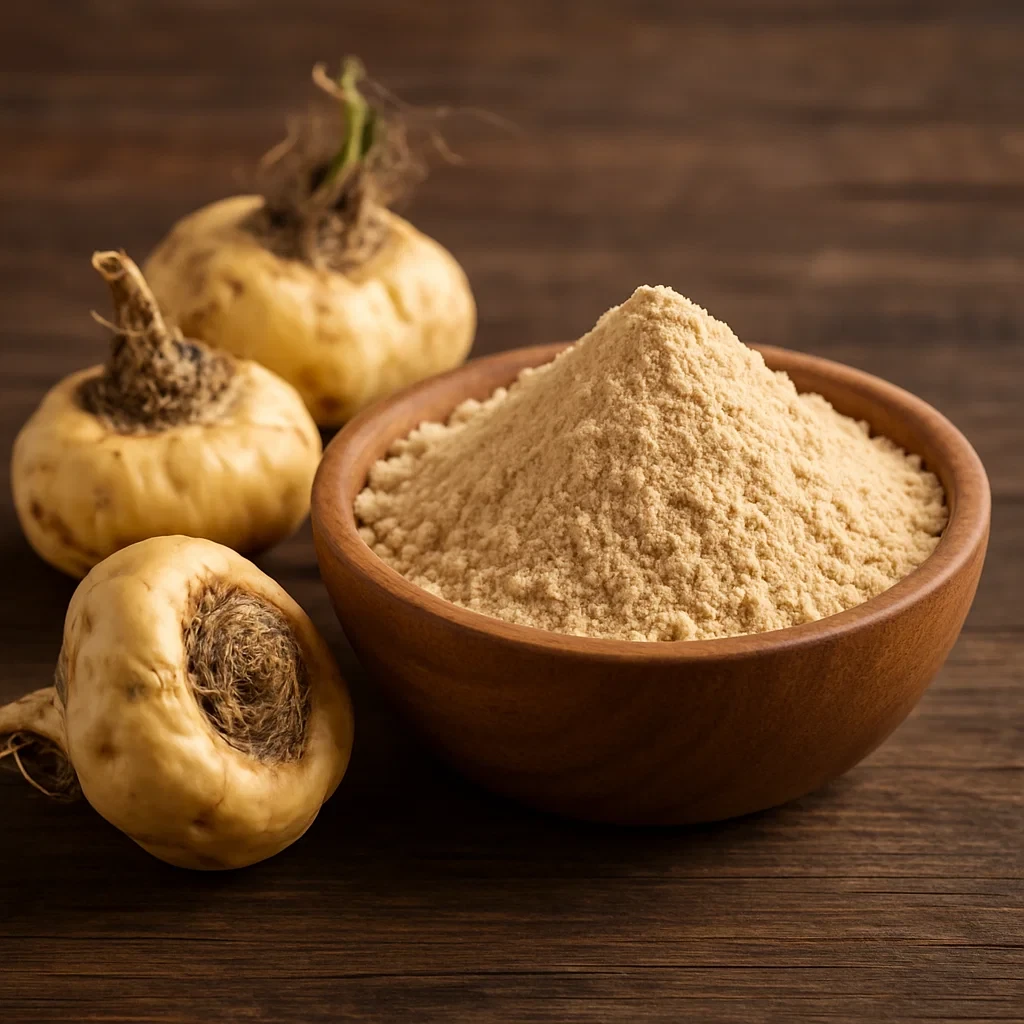
JellyBlue combines ashwagandha, maca and tongkat ali with four more vitality actives in one blue-raspberry gummy a day, with doses printed openly on the label — a simple, alcohol-free daily anchor for the habit swap.
See JellyBlue Multi-Bottle Packages →
When to seek help
If you find it hard to cut back, feel you need a drink to function or relax, or drinking is affecting your health, work or relationships, please reach out to your doctor or a support service. Alcohol dependence is common, treatable and nothing to be ashamed of. This article is general information about lifestyle and vitality, not medical advice or a substitute for professional support.
Drink less, feel more
JellyBlue puts seven real vitality actives — including ashwagandha, maca and tongkat ali — into one easy daily gummy, backed by a 60-day money-back guarantee.
See JellyBlue PackagesFrequently asked questions
Does alcohol lower testosterone in men?
Heavy and chronic drinking is associated with lower testosterone in men. Alcohol can interfere with the hormonal signalling that supports testosterone, disrupt sleep, and contribute to weight gain — all of which pull hormones in the wrong direction. Occasional moderate drinking is a smaller factor, but regular heavy drinking is one of the more avoidable drains on male hormone health.
How does alcohol affect men’s libido?
In the moment alcohol can lower inhibition, but it is a depressant that dulls the nervous system, disrupts sleep and, over time, is associated with lower testosterone and reduced drive. Many men find that cutting back on alcohol improves energy, sleep quality and libido within a few weeks.
How much alcohol is too much for testosterone?
There is no perfectly safe threshold, and less is generally better. Public health guidance suggests men keep drinking to moderate levels at most — no more than a couple of standard drinks in a day — and have several alcohol-free days each week. Regular heavy or binge drinking is the pattern most associated with hormonal and vitality problems.
Will cutting back on alcohol improve energy and drive?
Many men report better sleep, steadier energy, easier weight management and improved drive within a few weeks of reducing alcohol. Because alcohol touches sleep, hormones and weight all at once, cutting back tends to pay off across several areas of vitality at the same time. Individual results vary.
Can supplements offset the effects of alcohol?
No supplement undoes the effects of heavy drinking — reducing alcohol is the real fix. Some botanicals such as maca, ashwagandha and tongkat ali are traditionally used to support male vitality and a steadier stress response, which can complement healthier habits. They are daily support, not a licence to drink more. Individual results vary and this is not medical advice.
About the JellyBlue Research Team
The JellyBlue Research Team is an independent men’s-health content group that reviews traditional-use evidence and public health guidance to produce clear, practical, non-hyped reads on male vitality. We describe ingredients in terms of their traditional and general use, cite public sources, and always encourage readers to bring persistent symptoms to a qualified healthcare professional. We do not manufacture the product and we are not a medical provider.
References
- National Institute on Alcohol Abuse and Alcoholism (NIAAA). “Alcohol’s Effects on the Body.” niaaa.nih.gov
- Centers for Disease Control and Prevention. “Dietary Guidelines for Alcohol.” cdc.gov
- National Heart, Lung, and Blood Institute. “Sleep Deprivation and Deficiency.” nhlbi.nih.gov
- MedlinePlus, U.S. National Library of Medicine. “Alcohol.” medlineplus.gov
† These statements have not been evaluated by the FDA. This product is not intended to diagnose, treat, cure or prevent any disease. This article is for general information only and is not medical advice. Individual results vary.