Home › Blog › How Poor Sleep Affects Male Testosterone
Causes & LifestyleHow Poor Sleep Affects Male Testosterone, Energy & Libido
| The topic | How poor sleep affects male testosterone, energy and libido — and how to fix your nights. |
| Why it matters | Much of the body’s daily testosterone activity is tied to deep, uninterrupted sleep. |
| The target | 7–9 hours of consistent, quality sleep — timing matters as much as total hours. |
| The fix | A steady schedule, a dark cool room, a screen-free wind-down, and daylight and movement by day. Individual results vary. |

If you had to pick one habit that quietly governs male vitality, it would be sleep. It is the free, nightly reset your hormones, energy and mood all depend on — and it is also the first thing most men sacrifice. Understanding how poor sleep affects male testosterone, energy and libido tends to change how seriously men take their nights. The relationship is direct, it is well documented, and — unlike ageing — it is almost entirely within your control. This guide explains the connection, the warning signs of sleep debt, and a practical routine to actually sleep better.
Why sleep and testosterone are so tightly linked
Testosterone is not produced at a constant trickle across the day. A large share of the body’s daily testosterone activity is tied to sleep — and in particular to the deeper, later stages of sleep that only a full night delivers. That is why the timing and completeness of your sleep matter, not just the raw hours. When you cut sleep short, or wake repeatedly, you clip exactly the stages your hormones rely on. Research has repeatedly linked short and fragmented sleep with lower testosterone the following day. Chronically under-sleep, and you are working against your own hormone system night after night — which shows up as many of the signs of low testosterone in men.
The knock-on effects: energy, libido and mood
Because testosterone influences so much, poor sleep radiates outward. Energy is the obvious casualty — the afternoon crash that no amount of coffee fixes is often just accumulated sleep debt. Libido follows, since desire tracks both testosterone and how rested and present you feel. And mood takes a hit too: under-slept men are more irritable, less motivated and less resilient under pressure. That last point creates a loop with stress, which we cover in how stress affects men’s libido and energy: stress wrecks sleep, and poor sleep lowers your tolerance for stress.
Signs you are running a sleep deficit
Sleep debt is sneaky because you adapt to feeling below par. Watch for:
- Waking up unrefreshed, even after what should be enough hours.
- A hard afternoon energy crash and heavy reliance on caffeine.
- Brain fog, poor focus and a shorter temper.
- Stronger cravings for sugar and quick carbohydrates.
- Lower drive and less spark than usual.
- Loud snoring, gasping or choking in the night, or heavy daytime sleepiness — these can signal a sleep disorder and are worth a doctor’s attention.
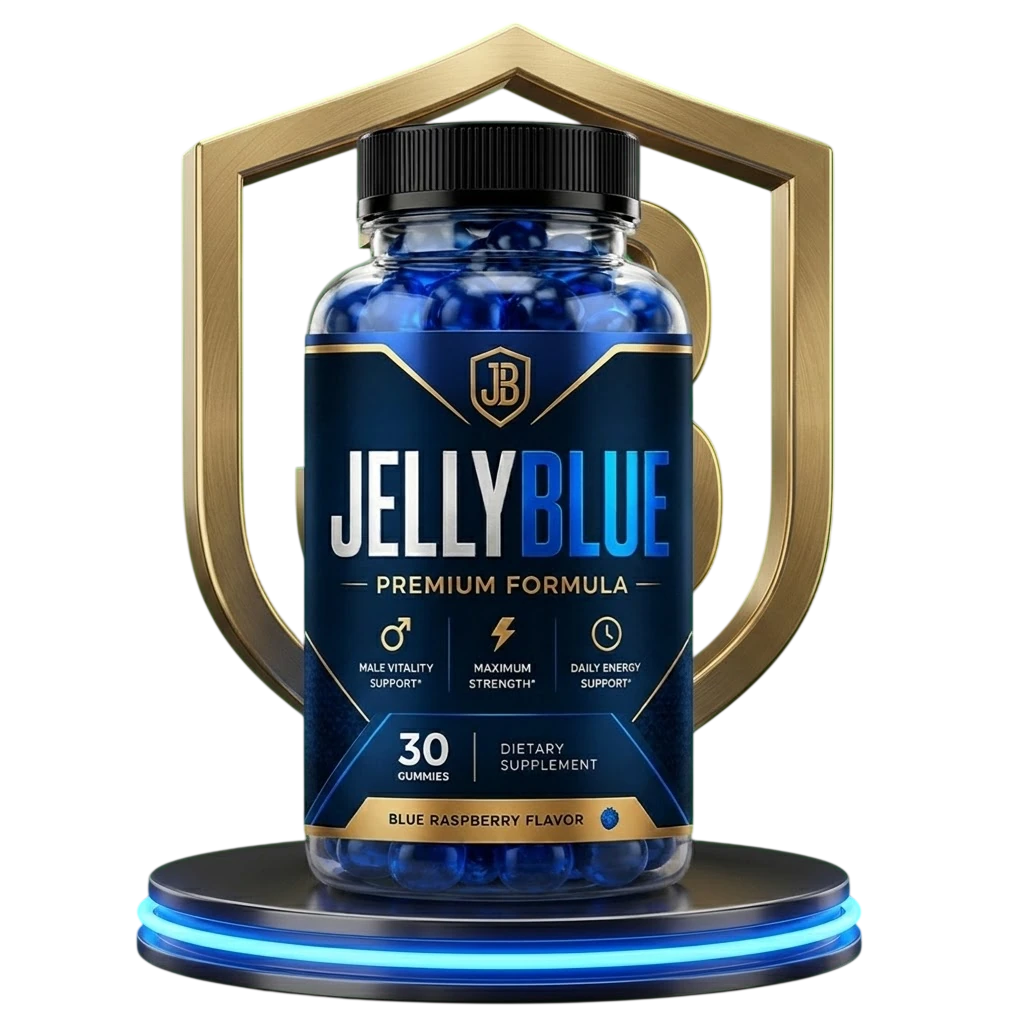
See the JellyBlue Daily Vitality Formula →
How to sleep better: a practical routine
Good sleep is a set of habits, not luck. These are the highest-impact ones.
Keep a consistent schedule
Go to bed and wake up at roughly the same time every day, weekends included. A steady rhythm helps your body clock release the right hormones at the right times, which improves both how fast you fall asleep and how deep it goes.
Make the room dark, cool and quiet
A cool bedroom (many people do best around 18–19°C), blackout darkness and low noise all promote the deeper stages of sleep. Small upgrades — heavier curtains, earplugs, a fan — often pay off quickly.
Build a screen-free wind-down
Bright screens late at night suppress the natural rise of the sleep hormone melatonin. Aim for 30–60 minutes of low light and no screens before bed — reading, stretching or a warm shower all work.
Get daylight and movement by day
Morning daylight anchors your body clock, and daily physical activity deepens sleep at night. Both are simple, free and reinforce each other — and they support circulation and mood as a bonus.
Mind caffeine, alcohol and late meals
Caffeine can linger for many hours, so keep it to the earlier part of the day. Alcohol may help you fall asleep but fragments the second half of the night. And very late, heavy meals can disrupt sleep too — leave a gap before bed where you can.
Common sleep mistakes that quietly cost men vitality
Even men who value their sleep often undermine it without realising. A few of the most common traps:
- Catching up at weekends. Sleeping in on Saturday cannot fully repay a week of short nights, and it shifts your body clock so Monday feels worse. Consistency beats bingeing.
- Using alcohol as a sleep aid. A nightcap can shorten the time it takes to nod off, but it fragments the deeper, hormone-supporting second half of the night.
- Late, intense screen time. Doom-scrolling in bed keeps the mind alert and suppresses melatonin exactly when it should be rising.
- Training too late. Hard evening workouts raise core temperature and adrenaline; leave a buffer before bed, or move intense sessions earlier.
- Ignoring snoring. Persistent loud snoring is easy to dismiss but can point to disrupted, low-quality sleep that no routine will fix on its own.
Fixing one or two of these often does more for daytime energy and drive than any single product — which is exactly why sleep sits at the base of every vitality routine, alongside the habits we cover in how to boost male vitality and energy naturally.
Where traditional vitality botanicals fit
Sleep is the foundation — no supplement replaces it. But some men support the surrounding systems with traditional botanicals. Ashwagandha (Withania somnifera) is an adaptogen traditionally used to help the body maintain a calmer response to everyday stress, which can make winding down easier. Paired with circulation-supporting ingredients like L-arginine and beet root and vitality roots like tongkat ali and maca, it rounds out a daily routine that supports the same energy and drive systems your sleep protects.

JellyBlue combines seven of these vitality actives in one blue-raspberry gummy a day, with doses printed openly on the label — a convenient way to support vitality alongside better sleep and, for the diet side, the best foods for male vitality and testosterone.
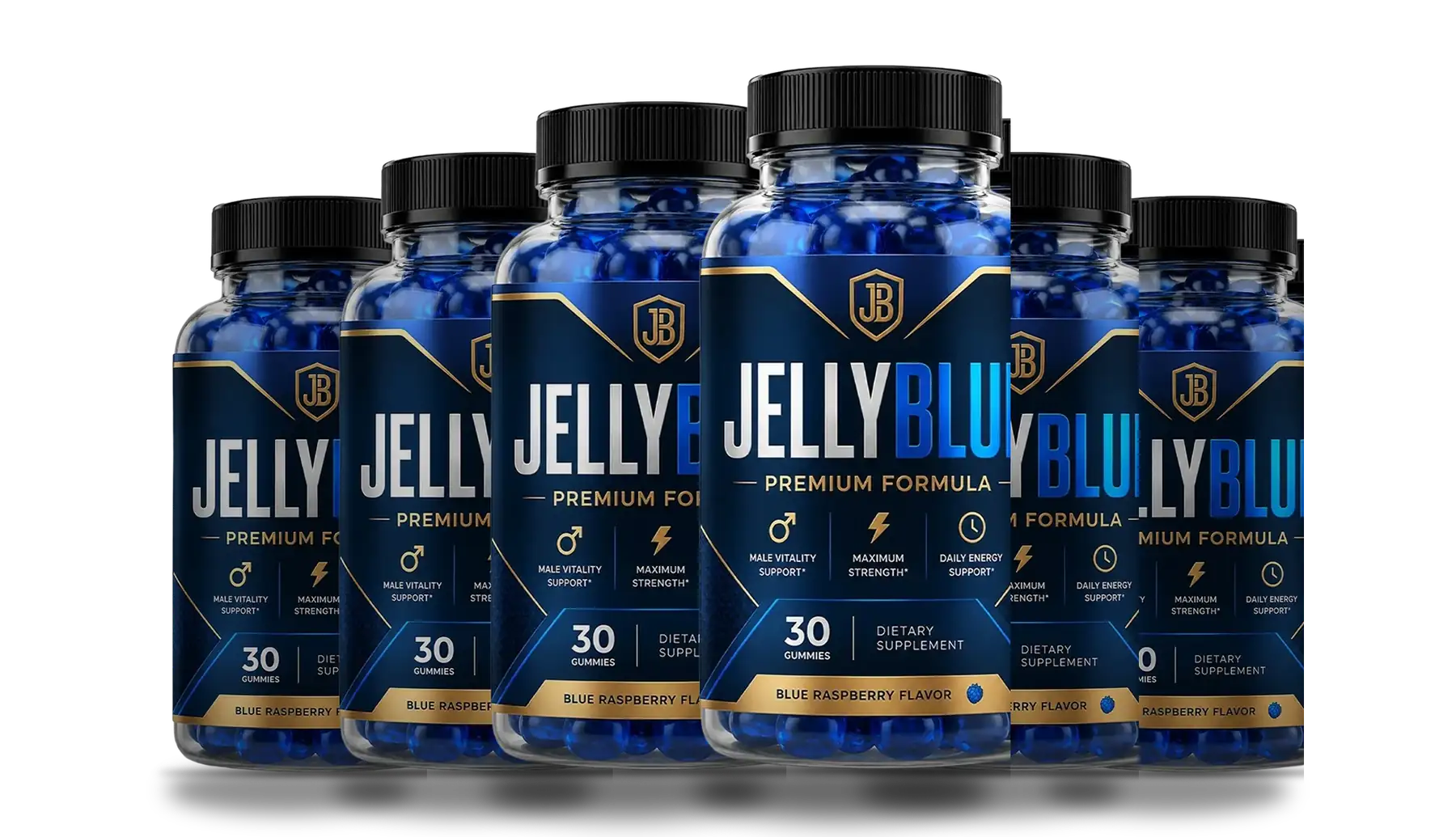
See JellyBlue Multi-Bottle Packages →
When to see a doctor
If you consistently sleep enough hours but still wake exhausted, snore loudly, gasp for air in the night, or battle overwhelming daytime sleepiness, talk to a doctor. Conditions such as sleep apnoea are common, treatable, and linked to low energy and hormone issues when left unaddressed. Nothing here is a substitute for professional medical advice.
Protect your sleep, protect your vitality
Fix your nights first, then let JellyBlue add seven vitality actives in one daily gummy — backed by a 60-day money-back guarantee.
See JellyBlue PackagesFrequently asked questions
How does poor sleep affect male testosterone?
A large share of the body’s daily testosterone activity is tied to sleep, particularly the deep and REM stages that come with a full night. Short or fragmented sleep is associated with lower testosterone the following day. Chronically under-sleeping can therefore work against energy, libido and mood over time.
How many hours of sleep do men need for healthy hormones?
Most adults do best on 7 to 9 hours of quality sleep per night. Consistently getting less, or getting broken sleep, is associated with lower testosterone activity and poorer energy. Consistency of timing matters as much as total hours.
Can better sleep improve energy and libido in men?
For many men, protecting sleep is the single highest-return change they can make. Better sleep supports the body’s natural testosterone activity, steadier energy, better mood and a healthier sex drive. It also improves stress tolerance, which supports vitality further. Individual results vary.
What are the signs I am not sleeping well enough?
Common signs include waking unrefreshed, an afternoon energy crash, brain fog, irritability, cravings for sugar and caffeine, and lower drive. Loud snoring, gasping or long daytime sleepiness can signal a sleep disorder worth discussing with a doctor.
Do vitality botanicals help if I fix my sleep?
Sleep is the foundation. Some men add traditional vitality botanicals, such as ashwagandha for a calmer stress response, to support the same systems from another angle. These are daily support layered on top of good sleep, not a replacement for it.
About the JellyBlue Research Team
The JellyBlue Research Team is an independent men’s-health content group that reviews traditional-use evidence and public health guidance to produce clear, practical, non-hyped reads on male vitality. We describe ingredients in terms of their traditional and general use, cite public sources, and always encourage readers to bring persistent symptoms to a qualified healthcare professional. We do not manufacture the product and we are not a medical provider.
References
- National Heart, Lung, and Blood Institute. “Sleep Deprivation and Deficiency.” nhlbi.nih.gov
- Leproult R, Van Cauter E. “Effect of 1 week of sleep restriction on testosterone levels in young healthy men.” Indexed at PubMed / NCBI, ncbi.nlm.nih.gov
- Centers for Disease Control and Prevention. “About Sleep — How Much Sleep Do I Need?” cdc.gov
- National Center for Complementary and Integrative Health (NCCIH). “Ashwagandha.” nccih.nih.gov
† These statements have not been evaluated by the FDA. This product is not intended to diagnose, treat, cure or prevent any disease. This article is for general information only and is not medical advice. Individual results vary.