Home › Blog › Signs of Low Testosterone in Men
Symptoms & CausesSigns of Low Testosterone in Men: 12 Symptoms & What They Mean
| The topic | The common signs of low testosterone in men — and why they overlap with everyday stress and poor sleep. |
| Watch for | Low energy, reduced libido, low mood, poorer sleep, less strength, and slower recovery. |
| Key caveat | Symptoms alone cannot confirm low testosterone. Only a blood test ordered by a doctor can. |
| What helps | Sleep, strength training, a healthy weight, a nutrient-dense diet, and lower chronic stress. Individual results vary. |
Testosterone is the main male sex hormone, and it does far more than most men give it credit for — it influences energy, libido, mood, muscle, bone strength and even how well you sleep. So when it drifts lower, the effects tend to show up across all of those areas at once. That is exactly why the signs of low testosterone in men can be confusing: they are broad, they build up slowly, and they overlap heavily with ordinary stress and sleep debt. This guide runs through the symptoms men most commonly notice, explains why they happen, and covers the everyday habits that support healthy hormone function — along with the important reminder that only a doctor can actually diagnose low testosterone.
Why testosterone matters — and why it dips
Testosterone helps regulate sex drive, sperm production, muscle and bone mass, fat distribution, red blood cell production and a good deal of your day-to-day drive and mood. Levels naturally peak in early adulthood and then, for most men, begin a slow decline from around the mid-thirties — typically a small percentage each year. That gentle downward drift is a normal part of ageing. What tips it into something men actually feel is when lifestyle factors pile on top: poor sleep, a rising waistline, chronic stress, too little movement and heavy drinking can all nudge natural testosterone activity in the wrong direction.
The 12 common signs of low testosterone in men
No single symptom confirms anything on its own. But when several of the following show up together and persist, they are a useful prompt to look at your habits and, if needed, talk to a doctor.
1. Persistent low energy and fatigue
A deep, ongoing tiredness that a good night’s sleep does not seem to fix is one of the most frequently reported signs. It is also one of the most non-specific, which is why it is worth reading alongside our guide to how to boost male vitality and energy naturally.
2. Reduced sex drive
Testosterone is a major driver of libido, so a noticeable, sustained drop in desire is a classic sign. Because sex drive is also sensitive to stress, sleep and mood, we unpack the wider picture in what causes low libido in men.
3. Low mood, irritability or flatness
Many men describe feeling “flat,” less motivated, or more short-tempered than usual. Hormones and mood are closely linked, and a dip in testosterone can be part of that picture — though low mood has many possible causes and deserves attention in its own right.
4. Difficulty building or keeping muscle
Testosterone supports muscle protein synthesis, so lower levels can make it harder to build strength and easier to lose it — even when your training has not changed. You may notice workouts feel less productive than they used to.
5. Increased body fat, especially around the middle
Shifting body composition — more fat, particularly abdominal, and less lean mass — is commonly associated with lower testosterone. It can also become a feedback loop, since excess body fat is itself linked to lower testosterone activity.
6. Poorer, lighter sleep
The relationship runs both ways: low testosterone is associated with disrupted sleep, and poor sleep is associated with lower testosterone. We explore that two-way street in detail in how poor sleep affects male testosterone.
7. Reduced strength and stamina
Beyond muscle size, many men notice their overall physical stamina and grip on daily tasks slipping. Recovery after exertion may take longer than it once did.
8. Brain fog and poor concentration
Trouble focusing, a foggy memory or a general sense of mental sluggishness is reported by some men with low testosterone — although, again, sleep and stress are powerful contributors to exactly the same feeling.
9. Reduced motivation and drive
That intangible “get up and go” can fade. Projects feel harder to start, and ambition feels dialled down. This overlaps heavily with mood and energy, which is why the signs are best read as a cluster.
10. Fewer spontaneous erections
A drop in the frequency of spontaneous (for example, morning) erections is one of the more specific signs associated with lower testosterone, and worth mentioning to a doctor if it is persistent.
11. Hair thinning or reduced body hair
Testosterone influences hair growth, so some men notice changes in body or facial hair. This one is heavily influenced by genetics too, so it is a weak signal on its own.
12. Lower bone strength over time
Testosterone helps maintain bone density. This is a longer-term concern rather than a symptom you feel day to day, but it is one reason healthy hormone levels matter well beyond libido and muscle.
See the JellyBlue Daily Vitality Formula →
Signs of low testosterone vs. everyday stress
Here is the crucial caveat: almost every symptom above can also be caused by chronic stress, sleep debt, overtraining, a poor diet or low mood. That overlap is why you genuinely cannot self-diagnose low testosterone from feelings alone. The value of knowing the signs is not to slap a label on yourself — it is to notice a pattern, tidy up the fundamentals, and know when the pattern warrants a proper medical conversation and a simple blood test.
Everyday habits that support healthy testosterone
Whether or not your levels are technically low, the same habits support healthy male hormone function — and they are entirely within your control.
- Prioritise deep sleep. Much of your natural testosterone activity is tied to quality sleep. Aim for 7–9 consistent hours.
- Lift weights. Resistance training two to three times a week is one of the most reliable lifestyle levers for supporting testosterone and lean mass.
- Reach and hold a healthy weight. Excess body fat is closely linked with lower testosterone, so trimming it supports the hormone directly.
- Eat a nutrient-dense diet. Adequate protein, healthy fats, zinc- and magnesium-rich foods and plenty of vegetables all matter — see our best foods for male vitality and testosterone.
- Lower chronic stress. Sustained stress works against healthy hormone balance. Even small, regular resets help.
- Limit alcohol. Heavy drinking is associated with reduced testosterone over time.
Where traditional vitality botanicals fit
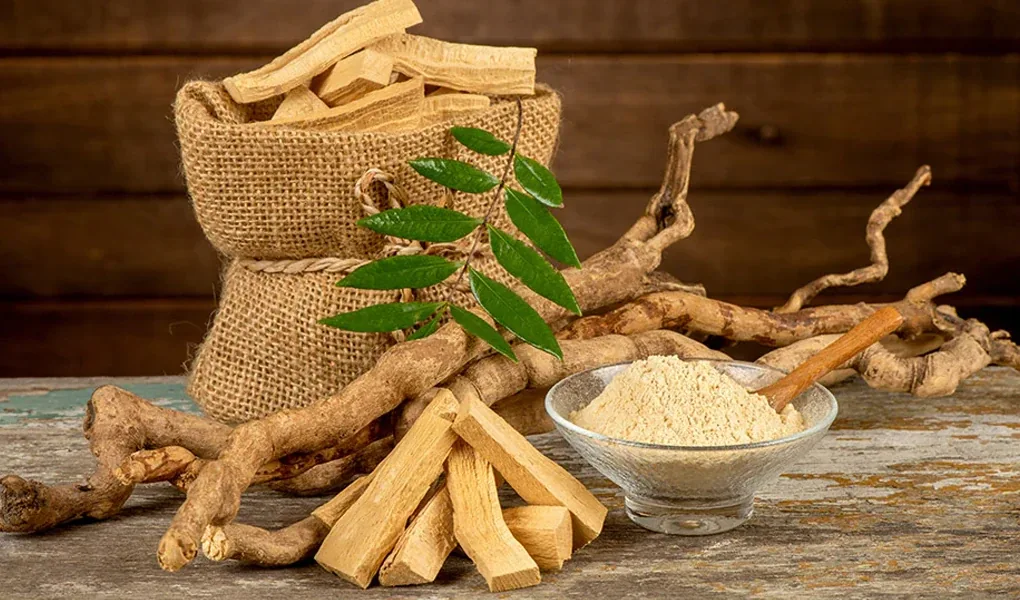
Alongside those habits, some botanicals have a long history of traditional use for male vitality. They are daily support, not a treatment for a diagnosed deficiency. Tongkat ali (Eurycoma longifolia) and maca (Lepidium meyenii) are the headline roots traditionally associated with male vitality and stamina, while ashwagandha (Withania somnifera) is an adaptogen traditionally used to support a calmer stress response and better sleep — both of which underpin healthy hormone function.
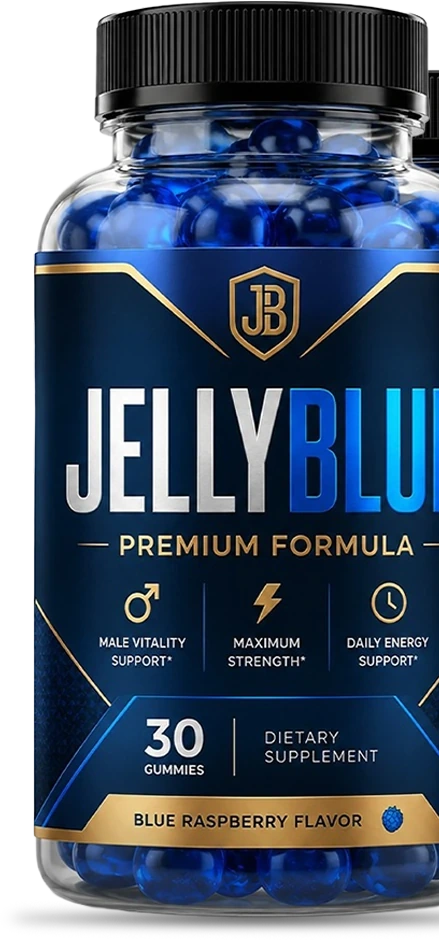
Because consistency is the hard part of any routine, a once-daily format helps. JellyBlue combines seven vitality actives — tongkat ali, maca, ashwagandha, horny goat weed, L-arginine, beet root and grape seed — in a single blue-raspberry gummy with doses printed openly on the label. No capsule pile, no proprietary-blend mystery, no stimulants.

See JellyBlue Multi-Bottle Packages →
When to see a doctor
If the signs above are persistent, worsening, or getting in the way of your life, book a check-up. A doctor can order a simple blood test, rule out other explanations, and discuss options tailored to you. Low testosterone is a medical diagnosis — not something to confirm from an online symptom list or treat on your own. Nothing here is a substitute for professional medical advice.
Support your vitality every day
JellyBlue puts seven real vitality actives into one easy daily gummy — backed by a 60-day money-back guarantee.
See JellyBlue PackagesFrequently asked questions
What are the first signs of low testosterone in men?
The earliest signs men usually notice are persistent low energy, a dip in sex drive, low mood or motivation, and lighter or more broken sleep. These are non-specific, meaning stress and poor sleep can cause the same feelings, so they are best seen as a prompt to look at your habits and, if they persist, to speak with a doctor.
At what age does testosterone start to decline in men?
For most men, testosterone activity begins a slow, natural decline from around the mid-thirties, typically by a small percentage each year. This is gradual rather than sudden. Lifestyle factors such as sleep, body composition, stress and activity can influence how noticeable that decline feels.
Can lifestyle changes support healthy testosterone naturally?
Yes. Prioritising sleep, strength training, a nutrient-dense diet, a healthy body weight and lower chronic stress are all associated with supporting the body’s natural testosterone activity. These habits will not replace medical treatment for a diagnosed deficiency, but they are the foundation for healthy male hormone function.
How do I know if it is low testosterone or just stress?
You often cannot tell from symptoms alone, because low testosterone, chronic stress, poor sleep and low mood produce overlapping feelings. The only way to confirm low testosterone is a blood test ordered by a doctor. If your symptoms are persistent or worsening, that conversation is the right next step.
Should I see a doctor about symptoms of low testosterone?
Yes, if symptoms are persistent, worsening, or affecting your quality of life. A doctor can order a simple blood test, rule out other causes, and discuss options. Do not self-diagnose or self-treat a hormone problem based on symptoms alone.
About the JellyBlue Research Team
The JellyBlue Research Team is an independent men’s-health content group that reviews traditional-use evidence and public health guidance to produce clear, practical, non-hyped reads on male vitality. We describe ingredients in terms of their traditional and general use, cite public sources, and always encourage readers to bring persistent symptoms to a qualified healthcare professional. We do not manufacture the product and we are not a medical provider.
References
- MedlinePlus, U.S. National Library of Medicine. “Aging changes in the male reproductive system.” medlineplus.gov
- National Center for Complementary and Integrative Health (NCCIH). “Ashwagandha.” nccih.nih.gov
- Rehman SU, et al. “The role of Eurycoma longifolia (Tongkat Ali) in male health.” Indexed at PubMed / NCBI, ncbi.nlm.nih.gov
- Gonzales GF. “Maca (Lepidium meyenii): traditional use and research overview.” Indexed at PubMed / NCBI, ncbi.nlm.nih.gov
- Office of Dietary Supplements, National Institutes of Health. “Zinc — Fact Sheet for Health Professionals.” ods.od.nih.gov
† These statements have not been evaluated by the FDA. This product is not intended to diagnose, treat, cure or prevent any disease. This article is for general information only and is not medical advice. Individual results vary.