Home › Blog › How Belly Fat Affects Testosterone in Men
Causes & LifestyleHow Belly Fat Affects Testosterone in Men (and How to Reverse It)
| The topic | How belly fat affects testosterone in men — and how to break the cycle. |
| The mechanism | Visceral belly fat is associated with lower testosterone, and low testosterone makes fat easier to gain — a two-way loop. |
| The reversal | Whole-food diet, less refined carb and alcohol, strength plus cardio, good sleep, lower stress. |
| Bottom line | Trimming excess belly fat is one of the most direct lifestyle levers for male vitality. Individual results vary. |
Of all the everyday factors that quietly shape male hormone health, one of the most underrated is the waistline. The connection between belly fat and testosterone in men is one of the clearest examples of how weight and hormones feed off each other — and, encouragingly, one of the most changeable. If your energy and drive have dipped as your midsection has grown, this guide explains why the two are linked, and lays out a realistic way to reverse the cycle without extremes.
The two-way link between belly fat and testosterone
Here is the crucial idea: belly fat and low testosterone do not just coexist — they reinforce each other. Excess visceral fat is associated with lower testosterone, and lower testosterone makes it easier to store fat and harder to build muscle. Left unchecked, that becomes a slow spiral: more fat, less favourable hormones, less muscle, lower energy, and even more fat. The good news is that the loop runs both ways. Interrupt it at any point — usually through diet and movement — and the same reinforcing effect starts working in your favour instead.
Why visceral fat is different
Not all body fat behaves the same way. The fat just under the skin is relatively inert. Visceral fat — the deeper fat packed around the abdominal organs that pushes the waistline out — is metabolically active tissue. It releases inflammatory signals and is associated with a hormonal environment less supportive of healthy testosterone. That is why waist size, more than overall weight, tends to track with how men feel and function. A rising waist measurement is often an earlier and more meaningful signal than the number on the scale.
Signs the cycle may be affecting you
Because belly fat and low testosterone overlap so heavily, their signs blur together:
- A growing waistline despite no dramatic change in eating.
- Lower energy, more afternoon slumps and a general sense of sluggishness.
- Reduced drive, motivation and stamina.
- Harder to build or hold onto muscle, even with effort.
- Flatter mood and less of your usual spark.
These mirror the broader signs of low testosterone in men, which is exactly why the two are so often part of the same picture. Only a doctor and a blood test can confirm actual testosterone levels, so treat the list as a prompt, not a diagnosis.
See the JellyBlue Daily Vitality Formula →
How to reverse the belly-fat cycle
You do not need a crash diet or a punishing regime. You need a handful of sustainable habits, kept up consistently.
Rebuild your plate around whole foods
The single biggest lever is what you eat. Anchoring meals in protein, vegetables, whole grains, legumes and healthy fats — while easing back on refined carbohydrate, sugary drinks and ultra-processed food — naturally reduces the calorie surplus that drives fat storage, and supplies the nutrients hormone health depends on. Our guide to the best foods for male vitality and testosterone is a practical starting menu.
Combine strength training with cardio
Resistance training is especially valuable here because muscle is metabolically helpful and building it supports a healthier body composition, while aerobic activity helps burn through excess fat and supports the heart. You do not need hours in the gym — a couple of strength sessions and some brisk daily movement go a long way. See the best exercises to boost testosterone naturally for a simple structure.
Protect your sleep
Short or broken sleep is quietly one of the biggest drivers of both weight gain and hormonal disruption — it raises appetite, worsens cravings and undercuts recovery. Prioritising seven to nine solid hours is one of the most effective and most overlooked steps. We cover the mechanism in how poor sleep affects male testosterone.
Ease the alcohol and manage stress
Alcohol adds empty calories and disrupts sleep, and chronic stress keeps the body storing fat around the middle. Trimming both removes two hidden drags on your progress at once.
Where botanicals fit
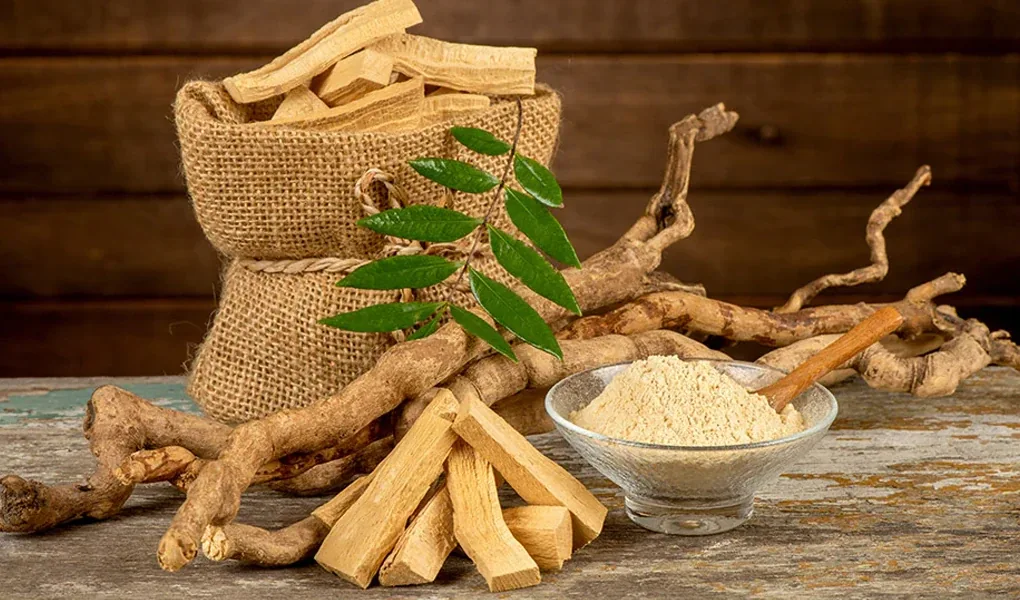
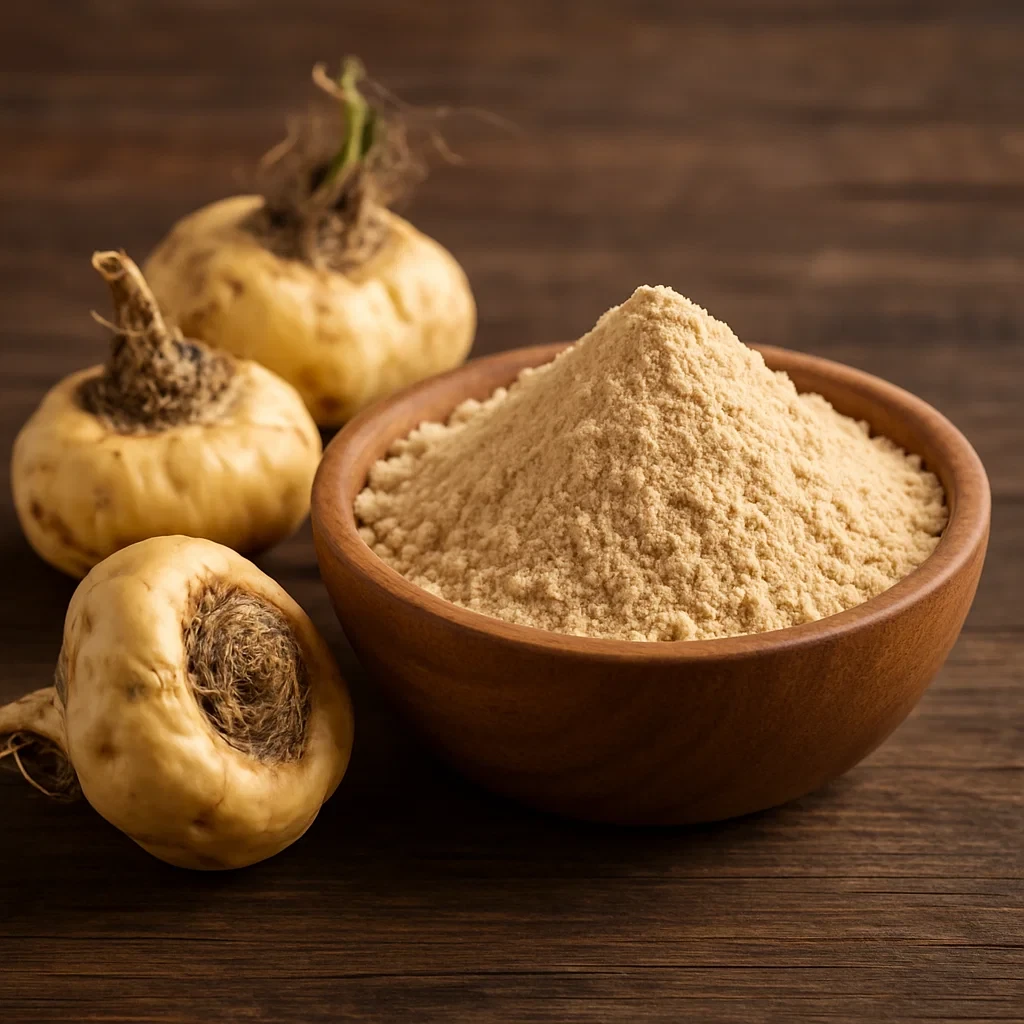
No supplement melts belly fat — that job belongs to diet, movement and sleep. But some ingredients are traditionally used to support male vitality and a steadier stress response, which can complement the routine above. Ashwagandha is an adaptogen traditionally used to help the body handle everyday stress; maca and tongkat ali are traditionally associated with male energy and vitality. They are daily support that sits alongside the fundamentals, never a shortcut around them.
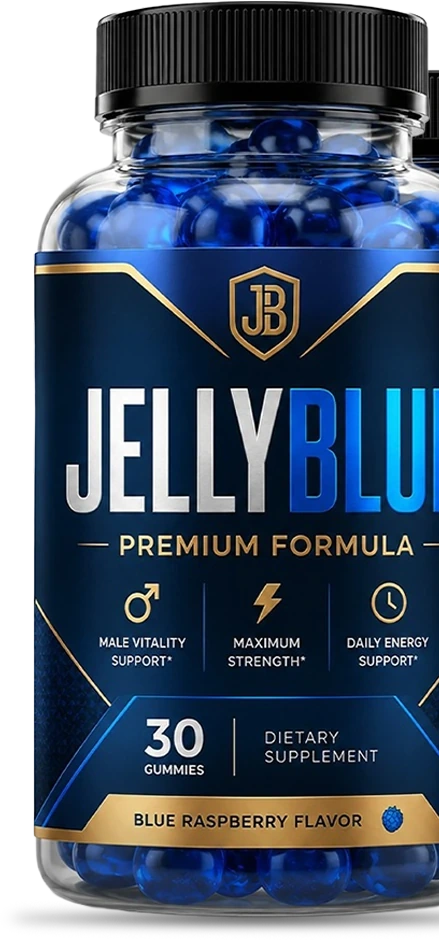
JellyBlue combines ashwagandha, maca and tongkat ali with four more vitality actives in one blue-raspberry gummy a day, with doses printed openly on the label — a simple daily anchor for a routine built on real habits.
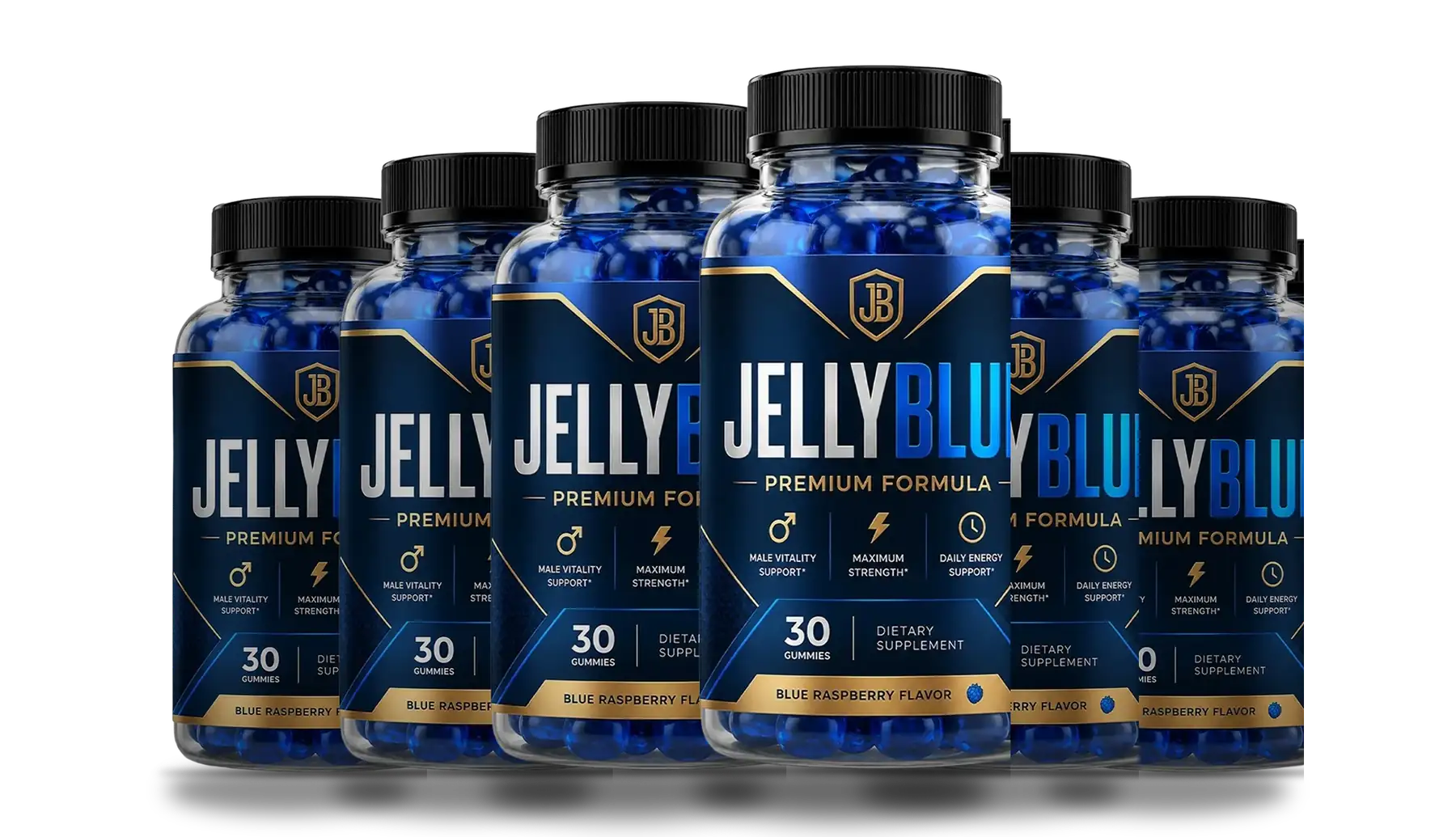
See JellyBlue Multi-Bottle Packages →
A realistic timeline
Progress here is gradual by design, and that is a feature, not a bug. Many men report steadier energy within a few weeks of tightening up diet, movement and sleep, while visible changes in waist size and how you feel usually build over a few months. Because the cycle is self-reinforcing, early wins tend to make the next ones easier — a little more energy makes exercise more appealing, which supports better body composition, and so on. Consistency beats intensity every time.
When to see a doctor
If your weight, energy or drive have changed significantly, it is worth a check-up. A doctor can look at the whole picture, run appropriate tests and rule out other causes. This is especially important if you have symptoms of a wider health issue. Nothing here is a diagnosis or a substitute for professional medical advice.
Trim the middle, reclaim your spark
JellyBlue puts seven real vitality actives — including ashwagandha, maca and tongkat ali — into one easy daily gummy, backed by a 60-day money-back guarantee.
See JellyBlue PackagesFrequently asked questions
Does belly fat lower testosterone in men?
Excess belly fat is associated with lower testosterone in men. Visceral fat is metabolically active tissue that is linked to a hormonal environment less favourable to testosterone. Because low testosterone can also make it easier to gain fat, the two can feed each other in a cycle. Losing excess belly fat is associated with more favourable testosterone levels.
Why is belly fat especially bad for men’s hormones?
Visceral fat, the deep fat around the organs that drives a larger waist, is more metabolically active than fat under the skin. It is associated with more inflammation and a hormonal environment that is less supportive of healthy testosterone, which is why waist size tends to track with hormone health in men.
How can men lose belly fat and support testosterone?
The same habits do both jobs: a whole-food diet lower in refined carbohydrate and alcohol, regular strength and aerobic exercise, good sleep, and lower chronic stress. There is no need for extremes — a sustainable, consistent routine that produces gradual fat loss is what supports hormone health over time.
How long does it take to see a difference?
There is no fixed timeline, and it varies from person to person. Many men notice steadier energy within a few weeks of improving diet, movement and sleep, while meaningful changes in waist size and how you feel usually build over a few months of consistency. Slow and steady is more durable than crash approaches.
Can supplements help with belly fat and vitality?
No supplement replaces diet, exercise and sleep for managing weight. Some botanicals such as ashwagandha, maca and tongkat ali are traditionally used to support male vitality and a steadier stress response, which can complement a healthy routine. They are daily support, not a weight-loss treatment. Individual results vary and this is not medical advice.
About the JellyBlue Research Team
The JellyBlue Research Team is an independent men’s-health content group that reviews traditional-use evidence and public health guidance to produce clear, practical, non-hyped reads on male vitality. We describe ingredients in terms of their traditional and general use, cite public sources, and always encourage readers to bring persistent symptoms to a qualified healthcare professional. We do not manufacture the product and we are not a medical provider.
References
- National Institute of Diabetes and Digestive and Kidney Diseases. “Health Risks of Overweight & Obesity.” niddk.nih.gov
- Centers for Disease Control and Prevention. “Assessing Your Weight.” cdc.gov
- National Center for Complementary and Integrative Health (NCCIH). “Ashwagandha.” nccih.nih.gov
- MedlinePlus, U.S. National Library of Medicine. “Testosterone.” medlineplus.gov
† These statements have not been evaluated by the FDA. This product is not intended to diagnose, treat, cure or prevent any disease. This article is for general information only and is not medical advice. Individual results vary.