Home › Blog › How Sugar Affects Testosterone and Energy in Men
Causes & LifestyleHow Sugar Affects Testosterone and Energy in Men
| The topic | How sugar affects testosterone and everyday energy in men. |
| The mechanism | Refined sugar spikes and crashes blood glucose, drives fat gain and inflammation — all linked to lower testosterone. |
| What helps | Fewer sugary drinks and ultra-processed snacks; meals built on protein, fibre and healthy fats. |
| Bottom line | Cutting refined sugar removes one of the biggest drags on male energy and vitality. Individual results vary. |

Few everyday habits shape a man’s energy as quietly as the amount of sugar on his plate. Understanding how sugar affects testosterone in men — and why it flattens daytime energy long before it touches your hormones — is one of the most useful things you can do for your vitality. The good news is that this is one of the most changeable factors of all. You do not need a joyless diet; you need to understand the mechanism and make a handful of realistic swaps. This guide walks through both.
The blood-sugar rollercoaster behind your energy crashes
Start with the effect you actually feel day to day. Refined sugar — the kind in sodas, sweets, pastries, sweetened coffees and most ultra-processed snacks — is absorbed very quickly. It sends blood glucose surging, your body responds by releasing insulin to bring it back down, and glucose then falls just as sharply. That drop is the mid-morning fog, the 3pm slump and the sudden hunger an hour after eating. Ride that rollercoaster several times a day and the result is low, uneven, unreliable energy — exactly the kind of sluggishness men often blame on age or overwork.
Whole foods behave completely differently. Protein, fibre and healthy fats slow digestion, so glucose is released gradually and energy stays flat and steady. This is why two breakfasts with the same calories — a pastry versus eggs and vegetables — can leave you feeling like two different people by mid-morning. Getting off the rollercoaster is often the single fastest change men notice when they cut back on sugar.
How sugar affects testosterone in men
The link between sugar and male hormones is mostly indirect, and it runs through three overlapping routes.
1. Weight and body fat
Sugary drinks and refined-carb snacks are easy to over-consume and do little to satisfy hunger, which makes them one of the most reliable drivers of gradual fat gain. That matters because excess body fat — particularly around the middle — is associated with a hormonal environment less favourable to testosterone. We cover that loop in detail in how belly fat affects testosterone in men. Sugar, in other words, often lowers testosterone the long way round: by adding to the waistline.
2. Insulin and metabolic strain
Constantly high sugar intake keeps insulin working hard. Over time, diets heavy in refined sugar are associated with poorer metabolic health, and poorer metabolic health tends to track with less favourable testosterone. Some studies also suggest that a large glucose load can cause a temporary dip in testosterone in the hours after eating, which is another reason grazing on sweets all day is unhelpful.
3. Inflammation
A diet dominated by refined sugar and ultra-processed food is associated with higher low-grade inflammation. Chronic inflammation is unhelpful for almost every system in the body, and a calmer internal environment is generally more supportive of healthy hormones. Shifting toward whole foods lowers that inflammatory load as a welcome side effect.
The hidden sugar in a man’s day
Most men do not think of themselves as having a sweet tooth, yet still eat far more added sugar than they realise, because so much of it is hidden. The usual culprits:
- Drinks: soda, energy drinks, sweetened coffees, fruit juice and “sports” drinks are among the biggest single sources of added sugar — and, because they are liquid, the least filling.
- Breakfast foods: many cereals, granolas, flavoured yoghurts and pastries are surprisingly sugar-heavy, setting up the rollercoaster first thing.
- Sauces and condiments: ketchup, barbecue sauce, many pasta sauces and salad dressings carry hidden sugar.
- “Healthy” snacks: cereal bars, flavoured protein bars and dried-fruit mixes can be closer to candy than to real food.
Reading labels for a week is eye-opening. You are not aiming for zero — you are aiming to notice where sugar sneaks in so you can cut the sources that give you nothing back.
See the JellyBlue Daily Vitality Formula →
Signs sugar may be dragging on your energy and drive
Because sugar affects energy, weight and mood at once, its fingerprints show up in familiar ways:
- Big energy swings — a lift after eating followed by a crash and cravings.
- Afternoon slumps that make focus and motivation hard.
- A slowly expanding waistline despite no dramatic change in portion sizes.
- Feeling hungry again soon after meals, driving more snacking.
- Flatter mood and less of your usual drive.
These overlap heavily with the broader signs of low testosterone in men, which is part of why diet is such an important place to look first. None of this is a diagnosis — only a doctor and a blood test can confirm hormone levels — but it is a useful prompt to check your intake.
How to cut back on sugar without misery
The goal is not perfection or deprivation. It is to remove the sources that drain you and keep the ones you truly enjoy.
Fix your drinks first
This is the highest-leverage change most men can make. Swapping sugary drinks for water, sparkling water, unsweetened tea or black coffee often removes a huge share of daily added sugar in one move — and because liquid sugar barely registers as food, you rarely miss it.
Build meals that flatten the curve
Anchor each meal in protein, add plenty of vegetables and fibre, and include some healthy fat. This slows sugar absorption, keeps you full, and steadies energy for hours. Our guide to the best foods for male vitality and testosterone is a practical template to build from.
Reach for whole fruit, not sweets
Whole fruit is not the enemy. Its natural sugar comes packaged with fibre, water and nutrients that slow absorption, so an apple or a handful of berries is a completely different thing from a candy bar. Whole fruit is a fine way to satisfy a sweet craving.
Do not skip meals
Getting overly hungry is what drives sugar binges. Regular, balanced meals keep blood sugar stable and make it far easier to walk past the vending machine. Pairing this with regular movement helps too — even a daily walk improves how your body handles glucose. See how sitting undoes that in how sitting all day affects testosterone in men.

Where botanicals fit
No supplement undoes a high-sugar diet, and none is a treatment for blood-sugar problems — that job belongs to real food, movement and sleep. But some ingredients are traditionally used to support male vitality and steadier energy, which can complement a cleaner way of eating. Ashwagandha is an adaptogen traditionally used to help the body handle everyday stress, which matters because stress and poor sleep both worsen sugar cravings. Maca and tongkat ali are traditionally associated with male energy and vitality. They are daily support that sits alongside the fundamentals, never a shortcut around them.
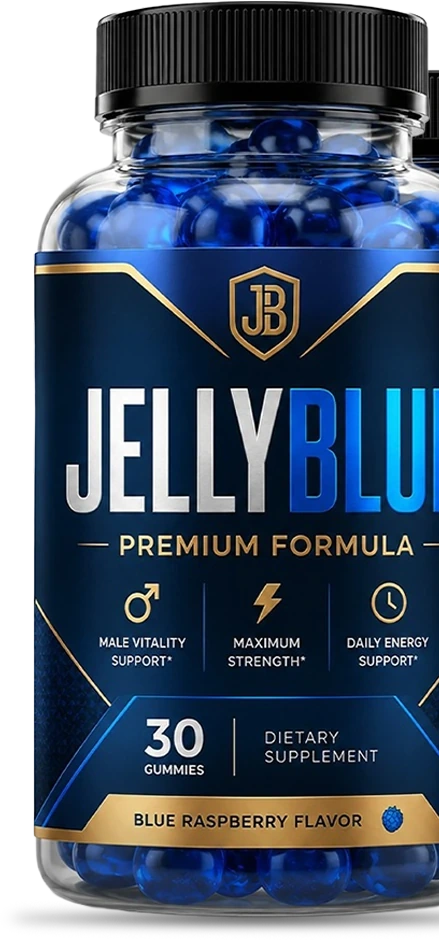
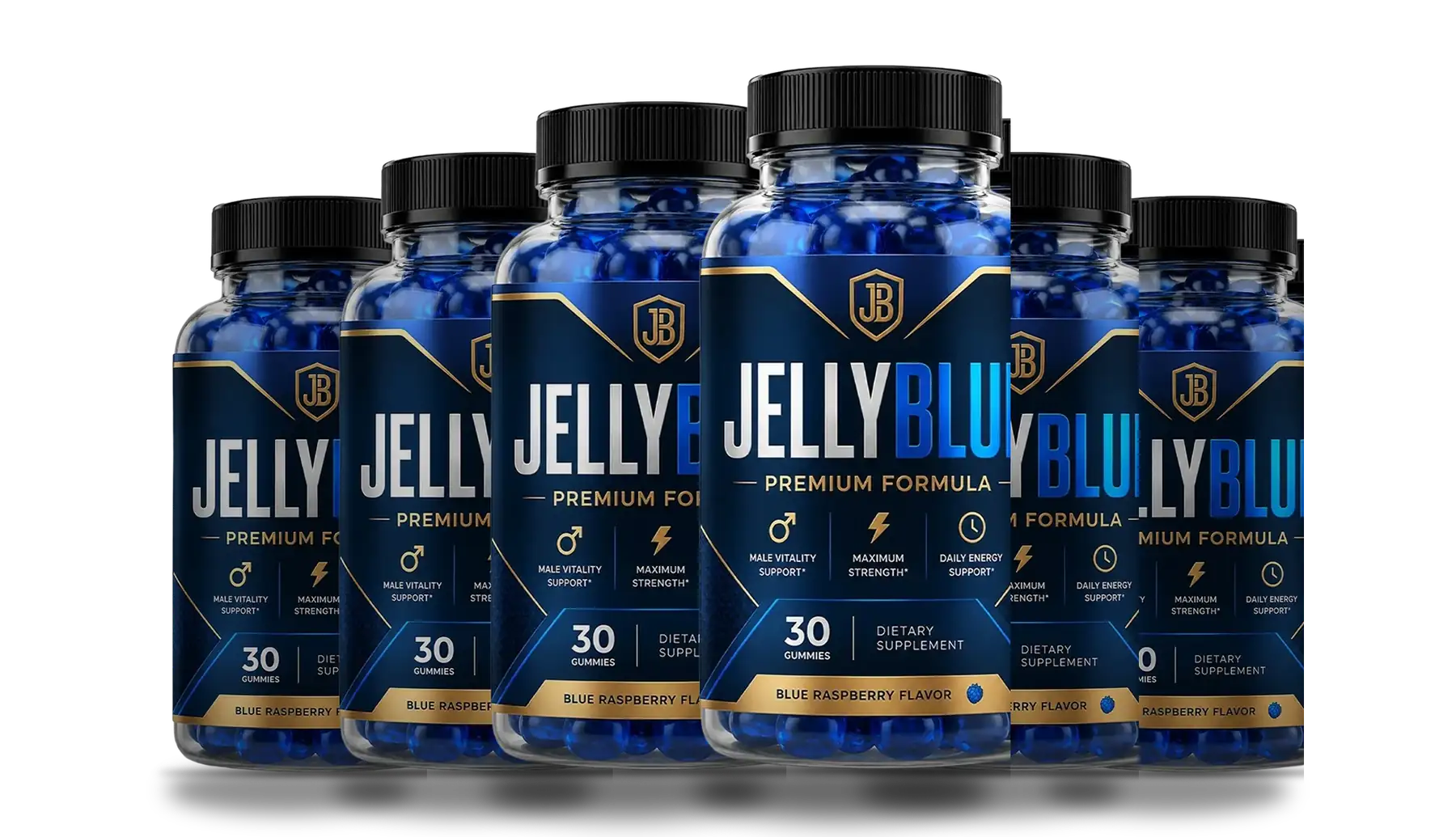
JellyBlue combines ashwagandha, maca and tongkat ali with four more vitality actives in one blue-raspberry gummy a day, with the doses printed openly on the label — a simple daily anchor for a routine built on real habits.
See JellyBlue Multi-Bottle Packages →
A realistic timeline
The energy benefits of cutting refined sugar often arrive quickly — many men report steadier, calmer energy and fewer crashes within a week or two of fixing their drinks and building better meals. The weight and hormone-related benefits build more slowly, over a few months, as fewer sugary calories and a smaller waistline shift the picture in your favour. Because the effects reinforce each other — steadier energy makes movement easier, which supports better body composition — early wins tend to compound. Consistency beats perfection every time.
When to see a doctor
If you have significant unexplained fatigue, thirst, weight change or a family history of metabolic conditions, see a doctor rather than self-managing with diet alone. Blood-sugar and hormone concerns deserve proper testing. Nothing here is a diagnosis or a substitute for professional medical advice.
Steady your energy, support your vitality
JellyBlue puts seven real vitality actives — including ashwagandha, maca and tongkat ali — into one easy daily gummy, backed by a 60-day money-back guarantee.
See JellyBlue PackagesFrequently asked questions
Does sugar lower testosterone in men?
Diets high in refined sugar are associated with lower testosterone in men, largely through their effect on weight, insulin and inflammation. Sugary foods and drinks make it easier to gain fat, and excess body fat is itself linked to a hormonal environment less favourable to testosterone. Some research also suggests a large sugar load can temporarily dip testosterone. Cutting back on refined sugar is a sensible, supportive habit rather than a treatment for any medical condition.
Why does sugar make men feel tired?
Refined sugar is absorbed quickly, spiking blood glucose and then dropping it just as fast. That crash leaves many men feeling drained, foggy and hungry again within an hour or two. Riding this rollercoaster all day is a common but overlooked reason for low, uneven energy. Meals built around protein, fibre and healthy fats produce a slower, steadier release and much flatter energy.
How much sugar is too much for men?
Public-health guidance generally suggests keeping added sugars to a small share of daily calories. The bigger point for most men is direction rather than an exact number: cutting sugary drinks, reducing ultra-processed snacks, and shifting toward whole foods almost always helps energy and weight. Natural sugars in whole fruit, which come packaged with fibre, are a different matter from added and refined sugar.
Will cutting sugar boost my testosterone?
Cutting refined sugar will not by itself raise testosterone like a switch, but it removes one of the habits most strongly linked to fat gain and low energy, which supports a healthier hormonal environment over time. It works best alongside good sleep, regular movement and strength training. Think of it as removing a drag on your vitality rather than a standalone fix. Individual results vary.
Can supplements help while I cut back on sugar?
No supplement cancels out a high-sugar diet, and none is a treatment for blood-sugar problems. Some botanicals such as ashwagandha, maca and tongkat ali are traditionally used to support male vitality and a steadier stress response, which can complement a cleaner way of eating. They are daily support that sits alongside real food habits, not a replacement for them. This is general information, not medical advice.
About the JellyBlue Research Team
The JellyBlue Research Team is an independent men’s-health content group that reviews traditional-use evidence and public health guidance to produce clear, practical, non-hyped reads on male vitality. We describe ingredients in terms of their traditional and general use, cite public sources, and always encourage readers to bring persistent symptoms to a qualified healthcare professional. We do not manufacture the product and we are not a medical provider.
References
- American Heart Association. “Added Sugars.” heart.org
- Centers for Disease Control and Prevention. “Get the Facts: Added Sugars.” cdc.gov
- National Institute of Diabetes and Digestive and Kidney Diseases. “Insulin Resistance & Prediabetes.” niddk.nih.gov
- National Center for Complementary and Integrative Health (NCCIH). “Ashwagandha.” nccih.nih.gov
- MedlinePlus, U.S. National Library of Medicine. “Testosterone.” medlineplus.gov
† These statements have not been evaluated by the FDA. This product is not intended to diagnose, treat, cure or prevent any disease. This article is for general information only and is not medical advice. Individual results vary.