Home › Blog › Vitamin & Mineral Deficiencies That Cause Fatigue in Men
Symptoms & CausesVitamin & Mineral Deficiencies That Cause Fatigue in Men
| The topic | The vitamin and mineral deficiencies that cause fatigue and low energy in men. |
| The usual suspects | Iron, vitamin D, vitamin B12, magnesium, and to a lesser extent folate and zinc. |
| What helps | A varied whole-food diet first; a blood test if fatigue persists; targeted, guided correction only where needed. |
| Bottom line | Deficiency is a common, checkable cause of male fatigue — test, don’t guess. Individual results vary. |
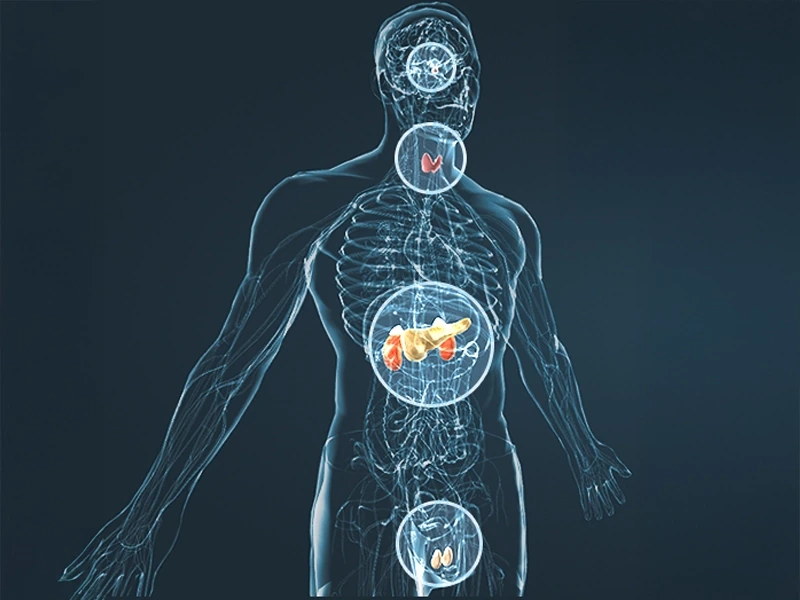
When a man feels persistently tired, the usual explanations — poor sleep, stress, too much work — get the blame first, and often rightly so. But there is another common, easily overlooked and highly checkable cause: nutrition. The vitamin and mineral deficiencies that cause fatigue in men are well understood, and correcting a genuine shortfall can lift energy in a way that no amount of pushing through ever will. This guide walks through the nutrients most linked to low energy, the signs to watch for, and — crucially — why testing beats guessing.
Why deficiencies drain male energy
Every joule of usable energy your body produces depends on a supply chain of vitamins and minerals. Some help carry oxygen to your cells; others act as the spark plugs that convert food into fuel; others support the nervous system and muscles. When any link in that chain runs short, the whole system slows down — and the result is fatigue that sleep alone will not fix. The catch is that deficiency fatigue feels exactly like ordinary tiredness, which is why so many men live with it for months without realising the cause sits on their plate.
The vitamin and mineral deficiencies most linked to fatigue in men
Iron
Iron is essential for making haemoglobin, the protein that carries oxygen in your blood. When iron runs low, less oxygen reaches your muscles and brain, and the result is classic fatigue, weakness and breathlessness. While iron deficiency is more common in women, men can develop it too — often pointing to an issue that needs investigating — so male iron deficiency should always be assessed by a doctor rather than self-treated, as too much iron is harmful.
Vitamin D
The “sunshine vitamin” is one of the most widespread shortfalls, especially for men who spend most of their day indoors or live in less sunny climates. Low vitamin D is associated with tiredness, low mood and aching muscles, and it has a particular relevance to men — we cover it in depth in does low vitamin D cause low testosterone in men.
Vitamin B12
B12 is vital for healthy red blood cells and nerve function, and its deficiency is a well-known cause of fatigue, weakness, brain fog and tingling in the hands and feet. Because B12 comes mainly from animal foods, men eating little meat, fish, eggs or dairy are at higher risk, as are older men, who absorb it less efficiently. Confirmed B12 deficiency needs a doctor’s guidance.
Magnesium
Magnesium is involved in hundreds of processes, including energy production and muscle and nerve function. Low intake is fairly common given how many men eat few whole grains, nuts, seeds and leafy greens. A shortfall can show up as fatigue, muscle cramps, poor sleep and low mood — and because sleep and energy are so linked, it can compound tiredness from other sources.
Folate and zinc
Folate works alongside B12 in making healthy red blood cells, so a shortfall can also contribute to fatigue. Zinc, meanwhile, supports immune function and is traditionally important to male health; while outright deficiency is less common, low intake can leave men run-down and more prone to illness.
Signs your fatigue might be nutritional
Deficiency fatigue is hard to tell apart from ordinary tiredness, but some clues tip the odds:
- Tiredness that persists despite genuinely good sleep and rest.
- A limited, restrictive or heavily processed diet.
- Additional symptoms — paleness, breathlessness, tingling, cramps, frequent illness or unusual hair or nail changes.
- Being in a higher-risk group, such as men eating little animal food, older men, or those with digestive conditions.
Because these overlap with the broader signs of low testosterone in men and with everyday stress, the only way to know for sure is a blood test. Treat this list as a reason to ask your doctor, not as a self-diagnosis.
See the JellyBlue Daily Vitality Formula →
Test, don’t guess
This is the most important message in the whole guide. It is tempting to buy a shelf of supplements and hope, but that is the wrong approach for two reasons. First, supplements only help if you are actually short of something — taking nutrients you already have enough of does nothing for your energy. Second, some nutrients, notably iron and certain fat-soluble vitamins, are genuinely harmful in excess. A simple blood test tells you what, if anything, you are missing, so any correction is targeted and safe. If your fatigue is persistent, ask your doctor about testing before you spend a penny on pills.
How to close the gaps with food
Food is always the best foundation, and a varied whole-food diet covers most men’s needs comfortably.
Build a nutrient-dense plate
Lean red meat, poultry, fish and eggs supply iron, B12 and zinc; leafy greens, beans, nuts and seeds provide magnesium and folate; and fortified foods and sensible sun exposure help with vitamin D. Variety is the key — the more colours and food groups on your plate, the fewer gaps you leave. Our guide to the best foods for male vitality and testosterone maps this out as a simple daily pattern.
Mind the absorption
How you combine foods matters too. Vitamin C helps your body absorb iron from plant sources, for instance, so pairing beans or greens with peppers or citrus is a smart move. A balanced diet naturally takes care of most of these details.

Where vitality botanicals fit
It is worth being clear: a general vitality supplement is not a treatment for a nutritional deficiency and does not replace testing or a balanced diet. If you are genuinely deficient in iron or B12, that needs proper correction under a doctor’s guidance. Where botanicals can complement a nutrient-rich routine is in supporting everyday energy and a steadier stress response. Maca and tongkat ali are traditionally associated with male energy and vitality, and ashwagandha is an adaptogen traditionally used to help the body handle stress. They are daily support alongside good food, never a substitute for fixing a real shortfall.
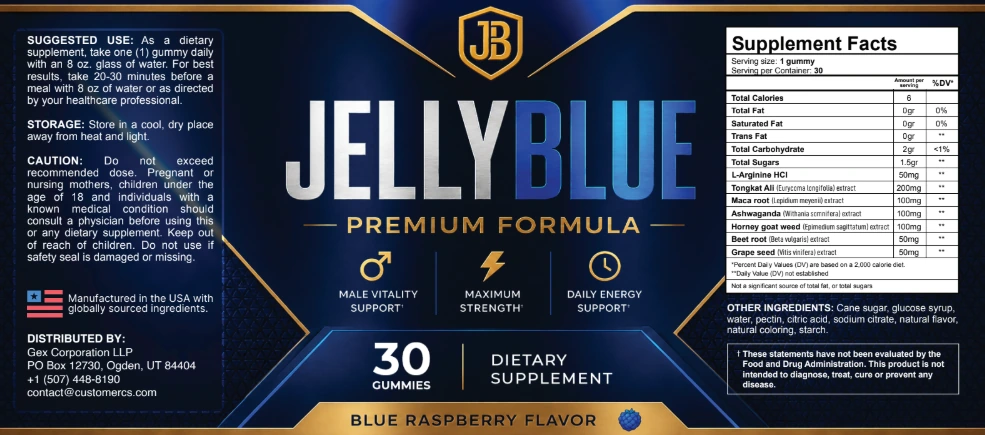
JellyBlue combines maca, tongkat ali and ashwagandha with more vitality actives in one blue-raspberry gummy a day, with the doses printed openly on the label — a simple daily anchor for a routine built on real nutrition.
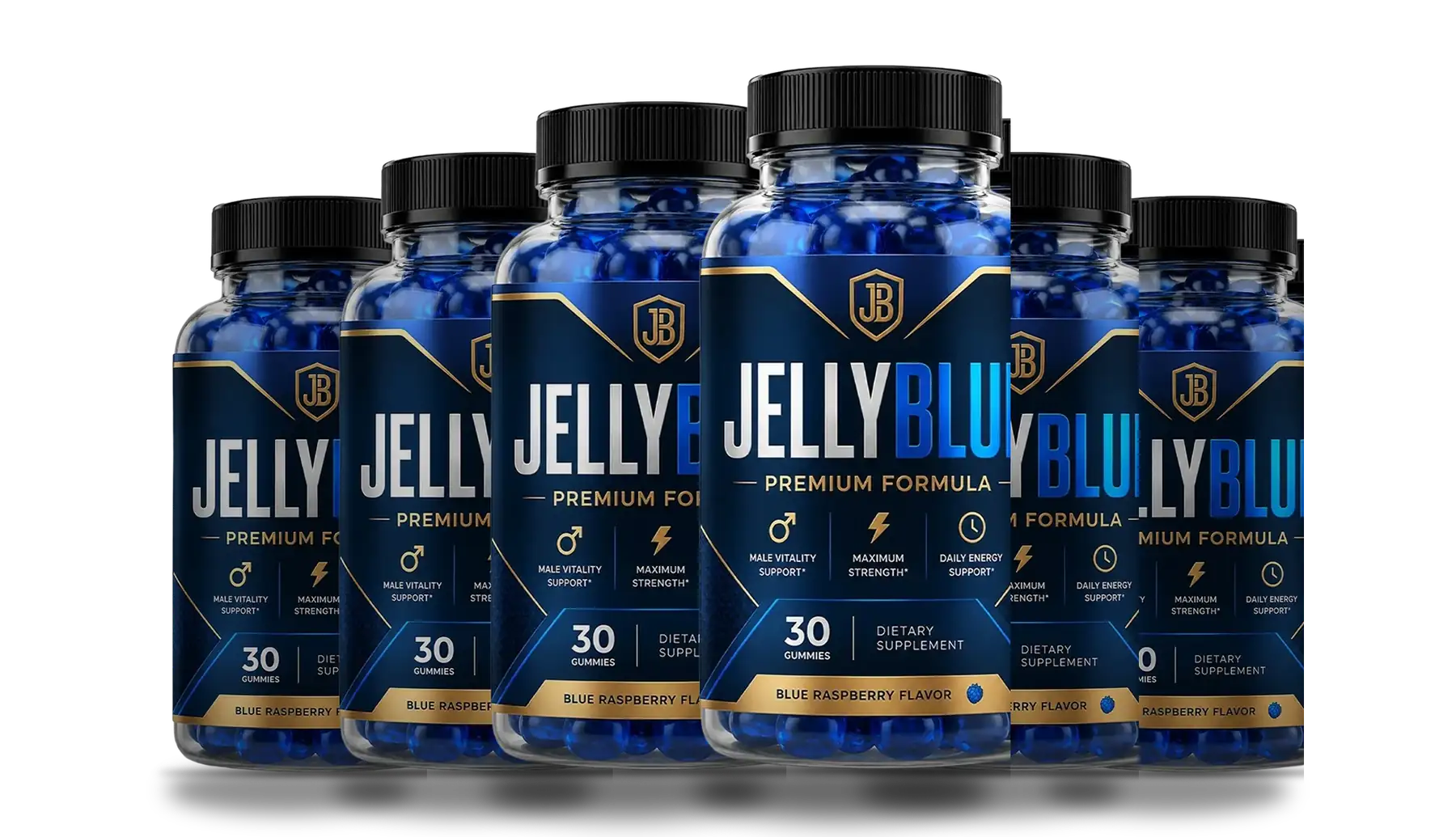
See JellyBlue Multi-Bottle Packages →
When to see a doctor
Persistent, unexplained fatigue always deserves a proper look, because it can have many causes beyond nutrition. Ask your doctor about a blood test rather than self-treating with high-dose supplements, especially before taking iron. If tiredness comes with other symptoms such as breathlessness, tingling or significant weight change, see a doctor promptly. Nothing here is a diagnosis or a substitute for professional medical advice.
Fuel your energy the right way
JellyBlue puts seven real vitality actives — including maca, tongkat ali and ashwagandha — into one easy daily gummy, backed by a 60-day money-back guarantee.
See JellyBlue PackagesFrequently asked questions
Which vitamin deficiencies cause fatigue in men?
The deficiencies most commonly linked to fatigue in men are iron, vitamin D, vitamin B12, magnesium and, to a lesser extent, folate and zinc. Each supports energy in a different way — from carrying oxygen in the blood to converting food into usable energy — so a shortfall in any of them can leave a man feeling persistently tired. A blood test is the only way to confirm a true deficiency.
How do I know if my fatigue is from a deficiency?
You cannot know for certain without a blood test, because deficiency fatigue looks like fatigue from poor sleep, stress or overwork. Clues that point toward a nutritional cause include a limited or restrictive diet, symptoms that persist despite good rest, or additional signs like paleness, tingling or frequent illness. If tiredness is ongoing, ask your doctor about testing rather than guessing.
Can I fix deficiencies with food alone?
Many mild shortfalls can be improved by eating a varied, whole-food diet rich in the relevant nutrients, and food is always the best foundation. Confirmed deficiencies, however, often need targeted supplementation under medical guidance to correct quickly and safely — vitamin B12 and iron deficiencies in particular usually require a doctor’s input. Never take high-dose supplements to self-treat without testing first.
Is it safe to take a lot of vitamins to boost energy?
No. Taking supplements you do not need offers no benefit and, in the case of certain nutrients like iron and some fat-soluble vitamins, can be harmful in excess. Supplements help most when they correct a genuine shortfall. The sensible approach is a varied diet first, testing if fatigue persists, and targeted supplementation only where it is warranted. This is general information, not medical advice.
Where do vitality supplements fit in?
General vitality supplements are not a treatment for nutritional deficiencies and do not replace testing or a balanced diet. Some botanicals such as maca, tongkat ali and ashwagandha are traditionally used to support male energy and a steadier stress response, which can complement a nutrient-rich routine. They are daily support alongside good food and, where needed, medically guided correction of any deficiency.
About the JellyBlue Research Team
The JellyBlue Research Team is an independent men’s-health content group that reviews traditional-use evidence and public health guidance to produce clear, practical, non-hyped reads on male vitality. We describe ingredients in terms of their traditional and general use, cite public sources, and always encourage readers to bring persistent symptoms to a qualified healthcare professional. We do not manufacture the product and we are not a medical provider.
References
- National Institutes of Health, Office of Dietary Supplements. “Iron — Fact Sheet for Consumers.” ods.od.nih.gov
- National Institutes of Health, Office of Dietary Supplements. “Vitamin B12 — Fact Sheet.” ods.od.nih.gov
- National Institutes of Health, Office of Dietary Supplements. “Magnesium — Fact Sheet.” ods.od.nih.gov
- National Institutes of Health, Office of Dietary Supplements. “Vitamin D — Fact Sheet.” ods.od.nih.gov
- MedlinePlus, U.S. National Library of Medicine. “Fatigue.” medlineplus.gov
† These statements have not been evaluated by the FDA. This product is not intended to diagnose, treat, cure or prevent any disease. This article is for general information only and is not medical advice. Individual results vary.